Why Do You Need an AI Agent Assistant: Transform Your Daily Tasks with 10x Productivity
Introduction: The Rise of Intelligent Automation
Imagine having a tireless assistant who never sleeps, never takes breaks, and can handle dozens of tasks simultaneously with perfect accuracy. That’s exactly what an AI agent assistant brings to your daily workflow.
In today’s fast-paced digital landscape, professionals are drowning in repetitive tasks that consume valuable time and mental energy. From scheduling meetings to analyzing data, these mundane activities prevent us from focusing on strategic, high-value work that truly moves the needle.
The solution? Intelligent automation powered by AI agent assistants. These sophisticated tools are transforming how we work, offering unprecedented efficiency gains and freeing up countless hours each week. According to recent studies, businesses implementing AI automation report productivity increases of up to 40%.
In this comprehensive guide, we’ll explore 10 game-changing ways an AI agent assistant can revolutionize your daily operations, streamline workflows, and dramatically boost your productivity. Whether you’re a solopreneur, team leader, or enterprise executive, you’ll discover actionable strategies to harness the power of intelligent automation.
Understanding AI Agent Assistants: The Foundation of Modern Productivity
What Is an AI Agent Assistant?
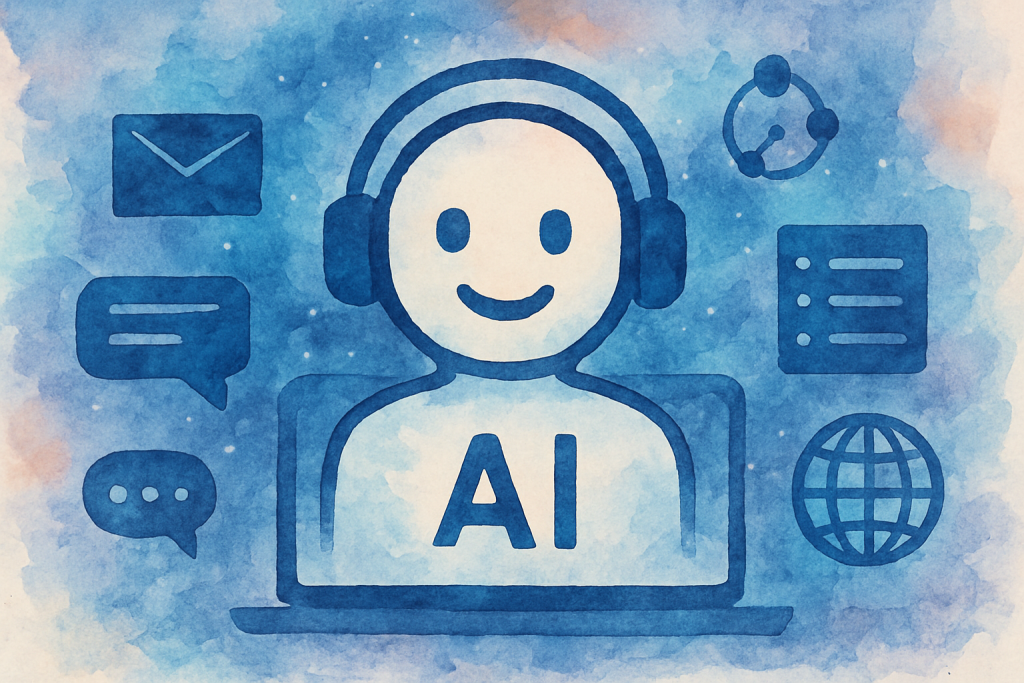
An AI agent assistant is an intelligent software system that uses artificial intelligence, machine learning, and natural language processing to perform tasks autonomously. Unlike traditional automation tools that follow rigid rules, these agents can understand context, make decisions, and adapt to changing circumstances.
Think of it as the difference between a basic calculator and a financial advisor. While both work with numbers, one simply executes commands while the other analyzes, interprets, and provides intelligent recommendations.
The Current State of AI Automation
The AI automation market is experiencing explosive growth. Research from McKinsey indicates that 88% of respondents report their organizations are using AI in at least one business function, with intelligent assistants and AI agents leading the adoption curve.
Modern AI agent assistants can now handle complex workflows, including:
- Natural language understanding and generation
- Multi-step task execution
- Cross-platform integration
- Real-time decision making
Why Businesses Are Embracing AI Agents
The shift toward AI-powered assistance isn’t just a trend—it’s a fundamental transformation in how work gets done. Companies implementing these technologies report significant improvements in operational efficiency, employee satisfaction, and bottom-line results.
The key advantage? An AI agent assistant works 24/7, processes information at superhuman speeds, and scales effortlessly as your needs grow. This creates a competitive advantage that’s difficult to match through traditional methods alone.
10 Transformative Ways AI Agent Assistants Boost Productivity
1. Intelligent Email Management and Response
Email overload is one of the biggest productivity killers in modern business. An AI agent assistant can automatically categorize incoming messages, prioritize urgent communications, and even draft contextually appropriate responses.
These systems learn your communication style over time, ensuring responses maintain your voice and tone. They can handle routine inquiries, schedule follow-ups, and flag messages requiring personal attention—saving hours each day.
2. Automated Scheduling and Calendar Optimization
Coordinating meetings across multiple time zones and busy calendars is notoriously time-consuming. AI agents eliminate this friction by analyzing participant availability, suggesting optimal meeting times, and automatically sending invitations.
Advanced systems even consider factors like meeting fatigue, travel time between appointments, and individual productivity patterns to create schedules that maximize efficiency and well-being.
3. Data Analysis and Reporting
Transforming raw data into actionable insights traditionally requires significant time and expertise. An AI agent assistant can automatically collect data from multiple sources, identify patterns, generate visualizations, and create comprehensive reports.
This capability is particularly valuable for tracking KPIs, monitoring campaign performance, and identifying trends that might otherwise go unnoticed. What once took days now happens in minutes.
4. Customer Service Automation
Providing responsive customer support around the clock is challenging for businesses of any size. AI agents can handle common inquiries, troubleshoot basic issues, and escalate complex problems to human team members when necessary.
This approach ensures customers receive immediate assistance while freeing your team to focus on high-touch interactions that require empathy and creative problem-solving.
5. Content Creation and Curation
Maintaining a consistent content pipeline requires substantial effort. AI agent assistants can research topics, generate draft content, suggest headlines, and even optimize copy for SEO—dramatically accelerating the content creation process.
They can also curate relevant articles, monitor industry news, and compile daily briefings tailored to your interests and needs.
6. Project Management and Task Coordination
Keeping projects on track involves constant monitoring, communication, and adjustment. An AI agent assistant can automatically update task statuses, send reminders, identify bottlenecks, and reallocate resources based on project priorities.
This proactive approach prevents small issues from becoming major problems and ensures teams stay aligned and productive.
7. Research and Information Gathering
Whether you’re preparing for a presentation, evaluating competitors, or exploring new markets, research is time-intensive. AI agents can scan thousands of sources, extract relevant information, summarize findings, and present insights in digestible formats.
This capability transforms hours of manual research into minutes of review and decision-making.
8. Financial Management and Expense Tracking
Managing finances involves repetitive tasks like categorizing expenses, reconciling accounts, and generating financial reports. An AI agent assistant automates these processes, ensuring accuracy while providing real-time visibility into financial health.
Advanced systems can even identify unusual spending patterns, suggest cost-saving opportunities, and forecast future cash flow needs.
9. Social Media Management
Maintaining an active social media presence across multiple platforms is demanding. AI agents can schedule posts, respond to comments, analyze engagement metrics, and suggest content strategies based on performance data.
This ensures consistent brand presence without requiring constant manual attention.
10. Personal Productivity Enhancement
Beyond specific tasks, AI agent assistants can analyze your work patterns, identify productivity drains, and suggest personalized optimization strategies. They can block distracting websites during focus time, remind you to take breaks, and help maintain work-life balance.
This holistic approach to productivity creates sustainable improvements rather than short-term gains.
Implementing Your AI Agent Assistant: A Practical Guide
Step 1: Identify Your Productivity Pain Points
Begin by auditing your current workflows. Track how you spend time over a typical week and identify repetitive tasks that consume disproportionate energy. These are prime candidates for AI automation.
Common pain points include email management, data entry, scheduling, report generation, and routine customer inquiries. Prioritize tasks that are both time-consuming and rule-based.
Step 2: Choose the Right AI Agent Platform
Not all AI agent assistants are created equal. Evaluate options based on:
- Integration capabilities with your existing tools
- Customization and training options
- Security and data privacy features
- Scalability and pricing structure
- User interface and ease of use
Request demos and trial periods to test functionality before committing to a platform.
Step 3: Start Small and Scale Gradually
Resist the temptation to automate everything at once. Begin with one or two high-impact use cases, refine the implementation, and gradually expand to additional workflows.
This approach allows your team to adapt, provides opportunities to learn, and builds confidence in the technology before broader deployment.
Step 4: Train Your AI Agent Assistant
Most AI systems improve with use. Provide feedback on outputs, correct errors, and teach the system your preferences and standards. The more you interact with your AI agent assistant, the more valuable it becomes.
Document best practices and create guidelines for team members to ensure consistent training and optimal results.
Step 5: Monitor Performance and Optimize
Establish metrics to measure the impact of your AI implementation. Track time saved, error rates, user satisfaction, and ROI. Use these insights to refine configurations and identify additional automation opportunities.
Regular optimization ensures your AI agent assistant continues delivering maximum value as your needs evolve.
Overcoming Common AI Agent Assistant Challenges
Challenge 1: Integration Complexity
Connecting AI agents with existing systems can be technically challenging. Solution: Work with platforms offering pre-built integrations for popular tools, or partner with implementation specialists who can handle custom connections.
Many modern AI agent assistants feature API-first architectures that simplify integration with virtually any software ecosystem.
Challenge 2: Data Privacy and Security Concerns
Entrusting sensitive information to AI systems raises legitimate security questions. Solution: Choose platforms with robust encryption, compliance certifications (SOC 2, GDPR, HIPAA), and transparent data handling policies.
Implement access controls and regularly audit data flows to ensure information remains protected.
Challenge 3: User Adoption and Change Management
Team members may resist new technologies or struggle with adoption. Solution: Involve users early in the selection process, provide comprehensive training, and clearly communicate benefits.
Celebrate early wins and share success stories to build momentum and enthusiasm for AI-powered workflows.
Challenge 4: Maintaining the Human Touch
Over-automation can make interactions feel impersonal. Solution: Use your AI agent assistant for routine tasks while reserving human involvement for complex, emotional, or strategic situations.
The goal is augmentation, not replacement—enhancing human capabilities rather than eliminating human judgment.
Conclusion: Embrace the Future of Productivity
The transformation enabled by AI agent assistants isn’t coming—it’s already here. Organizations and individuals who embrace these technologies are experiencing dramatic productivity gains, reduced stress, and improved work quality.
From intelligent email management to automated data analysis, the 10 strategies outlined in this guide represent just the beginning of what’s possible. As AI technology continues advancing, the capabilities and applications will only expand.
The key to success lies in thoughtful implementation. Start with clear objectives, choose the right tools, train your systems effectively, and continuously optimize based on results. Remember that an AI agent assistant is most powerful when it complements human creativity, judgment, and strategic thinking.
The productivity revolution is here, and the question isn’t whether to adopt AI automation—it’s how quickly you can implement it to stay competitive in an increasingly efficient world.
Ready to transform your productivity with AI agent assistants? The experts at The Crunch specialize in helping businesses implement intelligent automation solutions tailored to their unique needs. Schedule your free consultation today and discover how AI can revolutionize your workflows, boost efficiency, and drive measurable results.
Frequently Asked Questions (FAQ)
1. What is an AI agent assistant?
2. How does an AI agent assistant work?
3. What are the main benefits of using an AI agent assistant?
4. How do I get started with an AI agent assistant?
5. How much does an AI agent assistant cost?
6. How is an AI agent assistant different from a traditional chatbot?
7. Can AI agent assistants integrate with other software and tools?
8. Are AI agent assistants secure and private?
9. What tasks can an AI agent assistant automate?
10. What are common concerns about using AI agent assistants?
11. Do I need technical skills to use an AI agent assistant?
12. Can AI agent assistants learn and improve over time?