Learn Why 80% Company Prefer AI Agent Zendesk: Transform Customer Support & Boost ROI
Customer support teams are drowning in tickets. The average support agent handles 40-60 customer inquiries daily, leading to burnout, delayed responses, and frustrated customers. But what if your support team could handle triple the volume without adding headcount?
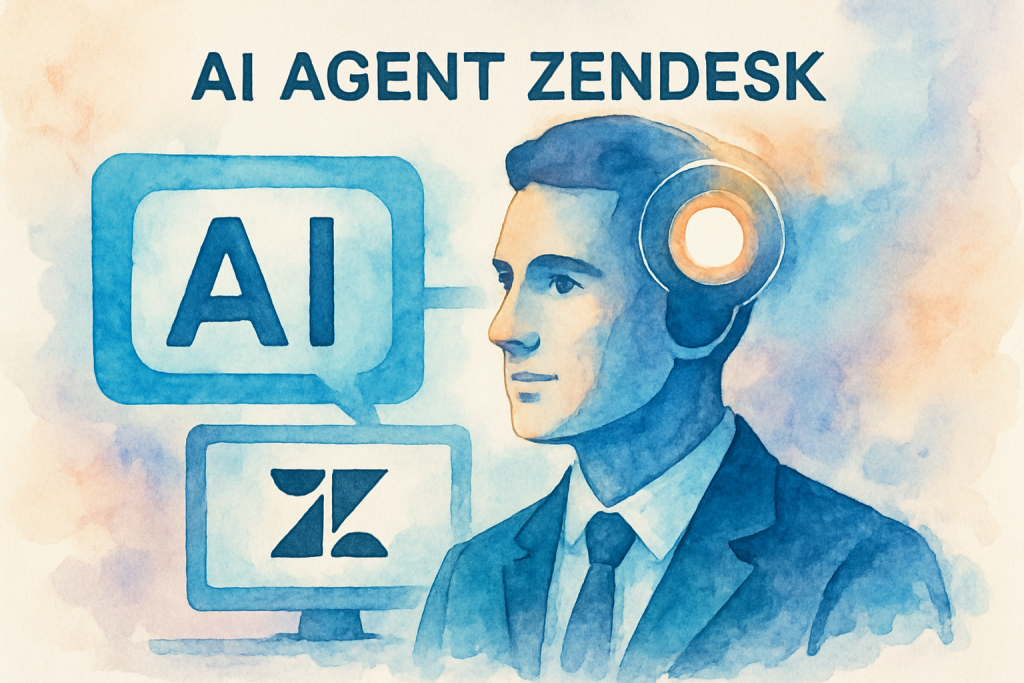
AI agents Zendesk integration is revolutionizing how businesses deliver customer support. These intelligent systems work alongside human agents, automating routine tasks, providing instant responses, and delivering personalized experiences at scale. Companies implementing AI agents in their Zendesk environment report up to 87% reduction in resolution times and 20-30% cost savings within the first year.
In this comprehensive guide, we’ll explore five transformative ways AI agents enhance Zendesk support operations. You’ll discover practical implementation strategies, real-world success stories, and actionable insights to maximize your return on investment. Whether you’re managing a small support team or overseeing enterprise-level operations, these AI-powered solutions will reshape how you think about customer service.
Understanding AI Agents in Zendesk: The Foundation of Modern Support
AI agents Zendesk represents the convergence of artificial intelligence and customer relationship management. Unlike traditional chatbots that follow rigid scripts, modern AI agents leverage natural language processing, machine learning, and contextual understanding to deliver human-like interactions.
These intelligent systems integrate seamlessly with Zendesk’s platform, accessing your knowledge base, ticket history, and customer data to provide accurate, personalized responses.
According to Gartner, by 2025, 80% of customer service organizations will use AI to improve agent productivity and customer experience.
What Makes AI Agents Different from Traditional Automation
Traditional automation tools operate on if-then logic, executing predefined workflows based on specific triggers. AI agents, however, understand intent, context, and nuance. They learn from every interaction, continuously improving their responses and adapting to new scenarios.
For example, when a customer asks “Why hasn’t my order arrived?”, an AI agent doesn’t just provide a generic shipping policy. It accesses the customer’s order history, checks real-time tracking information, identifies potential delays, and offers proactive solutions—all within seconds.
The Current State of AI in Customer Support
The customer service landscape has shifted dramatically. Research from Salesforce indicates that 69% of consumers prefer self-service options for simple inquiries. However, they expect these automated systems to be intelligent, efficient, and capable of escalating complex issues to human agents when necessary.
AI agents bridge this gap perfectly. They handle routine inquiries autonomously while ensuring seamless handoffs for complex situations. This hybrid approach maintains the efficiency of automation while preserving the empathy and problem-solving capabilities of human agents.
Five Game-Changing Benefits of AI Agents Zendesk Integration
1. Instant Response Times and 24/7 Availability
AI agents eliminate wait times entirely for common inquiries. They operate continuously, providing instant support across all time zones without requiring additional staffing. Companies using AI agents in Zendesk report average first response times dropping from 12 hours to under 60 seconds.
This immediate availability significantly impacts customer satisfaction. According to HubSpot research, 90% of customers rate an immediate response as important or very important when they have a customer service question.
2. Dramatic Cost Reduction Without Sacrificing Quality
The financial impact of AI agents Zendesk implementation is substantial. By automating 60-70% of routine inquiries, businesses reduce the cost per ticket by up to 50%. A mid-sized company handling 10,000 monthly tickets can save $150,000-$200,000 annually.
These savings come from multiple sources:
- Reduced staffing requirements for tier-1 support
- Lower training costs as AI agents maintain consistent knowledge
- Decreased ticket escalation rates through accurate first-contact resolution
- Minimized overtime expenses during peak periods
3. Enhanced Agent Productivity and Job Satisfaction
AI agents don’t replace human agents—they empower them. By handling repetitive tasks like password resets, order status checks, and FAQ responses, AI frees human agents to focus on complex problem-solving and relationship building.
This shift dramatically improves job satisfaction. Support agents report feeling more valued when they can apply their expertise to challenging situations rather than answering the same basic questions repeatedly. Employee retention in support teams using AI agents is 25% higher than traditional teams.
4. Personalized Customer Experiences at Scale
AI agents analyze customer history, preferences, and behavior patterns to deliver tailored interactions. They remember previous conversations, anticipate needs, and provide recommendations based on individual customer profiles.
For instance, when a returning customer contacts support, the AI agent immediately recognizes them, references their purchase history, and proactively addresses potential concerns related to their specific products or services. This level of personalization was previously impossible at scale.
5. Data-Driven Insights and Continuous Improvement
Every interaction with AI agents generates valuable data. These systems identify trending issues, common pain points, and knowledge gaps in real-time. Support managers gain unprecedented visibility into customer needs and can make informed decisions about product improvements, documentation updates, and training priorities.
Machine learning algorithms continuously refine AI agent responses based on customer feedback and resolution success rates. This creates a self-improving system that becomes more effective over time without manual intervention.
Implementing AI Agents in Your Zendesk Environment: A Step-by-Step Guide
Step 1: Assess Your Current Support Operations
Begin by analyzing your existing ticket volume, categorizing inquiries by type and complexity. Identify the 20% of questions that account for 80% of your tickets—these are prime candidates for AI automation.
Review your knowledge base comprehensiveness. AI agents perform best when they have access to well-organized, up-to-date documentation. Audit your existing resources and fill any gaps before implementation.
Step 2: Define Clear Objectives and Success Metrics
Establish specific, measurable goals for your AI agents Zendesk implementation. Common objectives include:
- Reduce average response time by 50%
- Automate 60% of tier-1 inquiries within six months
- Improve customer satisfaction scores by 15%
- Decrease cost per ticket by 40%
Define key performance indicators (KPIs) to track progress, including resolution rate, escalation rate, customer satisfaction scores, and cost savings.
Step 3: Choose the Right AI Solution for Your Needs
Not all AI platforms are created equal. Evaluate solutions based on integration capabilities, natural language processing accuracy, customization options, and scalability. Look for platforms that offer:
- Native Zendesk integration with minimal setup requirements
- Multi-language support for global operations
- Customizable conversation flows and branding
- Seamless human handoff mechanisms
Step 4: Train Your AI Agent with Quality Data
The effectiveness of AI agents depends on training quality. Feed your system with historical ticket data, approved responses, and knowledge base articles. Include edge cases and complex scenarios to improve handling of unusual situations.
Involve your experienced support agents in the training process. Their expertise helps identify nuances and context that might not be apparent in raw data. This collaborative approach also builds team buy-in for the new technology.
Step 5: Implement Gradually with Continuous Monitoring
Start with a pilot program handling a limited set of inquiry types. Monitor performance closely, gathering feedback from both customers and support agents. Use this learning period to refine responses, adjust escalation triggers, and optimize conversation flows.
Gradually expand AI agent responsibilities as confidence and performance improve. Maintain human oversight during the initial months, reviewing AI responses and making adjustments as needed.
Best Practices for Long-Term Success
Successful AI agents Zendesk implementations share common characteristics. They maintain transparent communication with customers about AI involvement, offering easy access to human agents when needed. They regularly update training data to reflect new products, policies, and customer needs.
Schedule quarterly reviews of AI performance metrics, identifying areas for improvement and celebrating successes. Keep your team informed about AI capabilities and limitations, ensuring they understand how to work effectively alongside these intelligent systems.
Overcoming Common Challenges in AI Agent Implementation
Challenge 1: Resistance from Support Team Members
Many support agents fear AI will replace their jobs. Address this concern directly by emphasizing how AI agents Zendesk integration enhances rather than eliminates human roles. Share data showing that companies implementing AI typically maintain or increase support staff while shifting focus to higher-value activities.
Involve your team in the implementation process. Solicit their input on conversation flows, escalation criteria, and knowledge base improvements. When agents feel ownership over the AI system, resistance transforms into advocacy.
Challenge 2: Maintaining Brand Voice and Personality
Generic, robotic responses damage brand perception. Customize your AI agent’s tone, vocabulary, and personality to align with your brand identity. If your brand is playful and casual, your AI should reflect that. If you’re in a formal industry like finance or healthcare, maintain appropriate professionalism.
Create detailed style guides for AI responses, including approved phrases, prohibited language, and examples of on-brand communication. Regularly review AI interactions to ensure consistency with your brand voice.
Challenge 3: Handling Complex or Emotional Situations
AI agents excel at routine inquiries but struggle with highly emotional or complex situations requiring empathy and creative problem-solving. Implement intelligent escalation triggers that recognize frustration, urgency, or complexity indicators.
Train your AI to acknowledge its limitations gracefully. Phrases like “I understand this is frustrating. Let me connect you with a specialist who can help” maintain customer trust while ensuring appropriate human intervention.
Challenge 4: Keeping AI Knowledge Current
Outdated information erodes customer trust quickly. Establish processes for updating AI training data whenever products, policies, or procedures change. Assign responsibility for AI knowledge maintenance to specific team members.
Implement automated alerts when AI agents frequently escalate specific inquiry types, indicating potential knowledge gaps. Use these signals to prioritize documentation updates and training improvements.
Maximizing Your ROI with AI Agents Zendesk Solutions
The transformation of customer support through AI agents Zendesk integration represents more than technological advancement—it’s a fundamental shift in how businesses deliver value to customers. Companies embracing this change report not just cost savings, but improved customer loyalty, enhanced brand reputation, and competitive advantages in their markets.
The five strategies outlined in this guide provide a roadmap for successful implementation. Start by understanding the unique capabilities of AI agents and how they differ from traditional automation. Recognize the multifaceted benefits extending beyond cost reduction to include improved agent satisfaction and personalized customer experiences.
Follow the step-by-step implementation guide, taking time to assess your current operations, define clear objectives, and choose the right solution for your specific needs. Remember that successful AI integration is a journey, not a destination. Continuous monitoring, refinement, and optimization ensure your AI agents become increasingly effective over time.
Address challenges proactively, particularly team resistance and brand consistency concerns. When implemented thoughtfully, AI agents complement human capabilities rather than replacing them, creating a support environment where both technology and people thrive.
The future of customer support is here, and it’s powered by intelligent automation working in harmony with human expertise. Organizations that embrace AI agents Zendesk solutions today position themselves for sustained success in an increasingly competitive marketplace.
Ready to transform your Zendesk support operations with AI agents? The Crunch specializes in implementing intelligent automation solutions that deliver measurable results. Our team of experts will assess your unique needs, design a customized AI strategy, and guide you through every step of implementation.
Schedule your free consultation today at https://thecrunch.io/get-a-proposal/ and discover how AI agents can revolutionize your customer support while boosting your bottom line.
Frequently Asked Questions (FAQ)
1. What are AI agent Zendesk?
2. How do I set up AI agent Zendesk?
3. What are the benefits of using AI agent Zendesk?
4. How do AI agent Zendesk compare to human agents?
5. Are AI agent Zendesk secure and private?
6. How much do AI agent Zendesk cost?
7. Can AI agent Zendesk handle multiple languages?
8. What are common limitations of AI agent Zendesk?
9. How do I train or customize AI agent Zendesk?
10. Can AI agent Zendesk escalate issues to human agents?
11. How do I measure the effectiveness of AI agent Zendesk?
12. What support is available if I have issues with the AI agent Zendesk?