Imagine losing potential customers simply because they couldn’t get immediate answers to their questions at 2 AM. Every day, businesses watch qualified leads slip away due to delayed responses, unavailable support staff, or overwhelming enquiry volumes. In today’s fast-paced digital landscape, customers expect instant gratification, and waiting simply isn’t an option anymore.
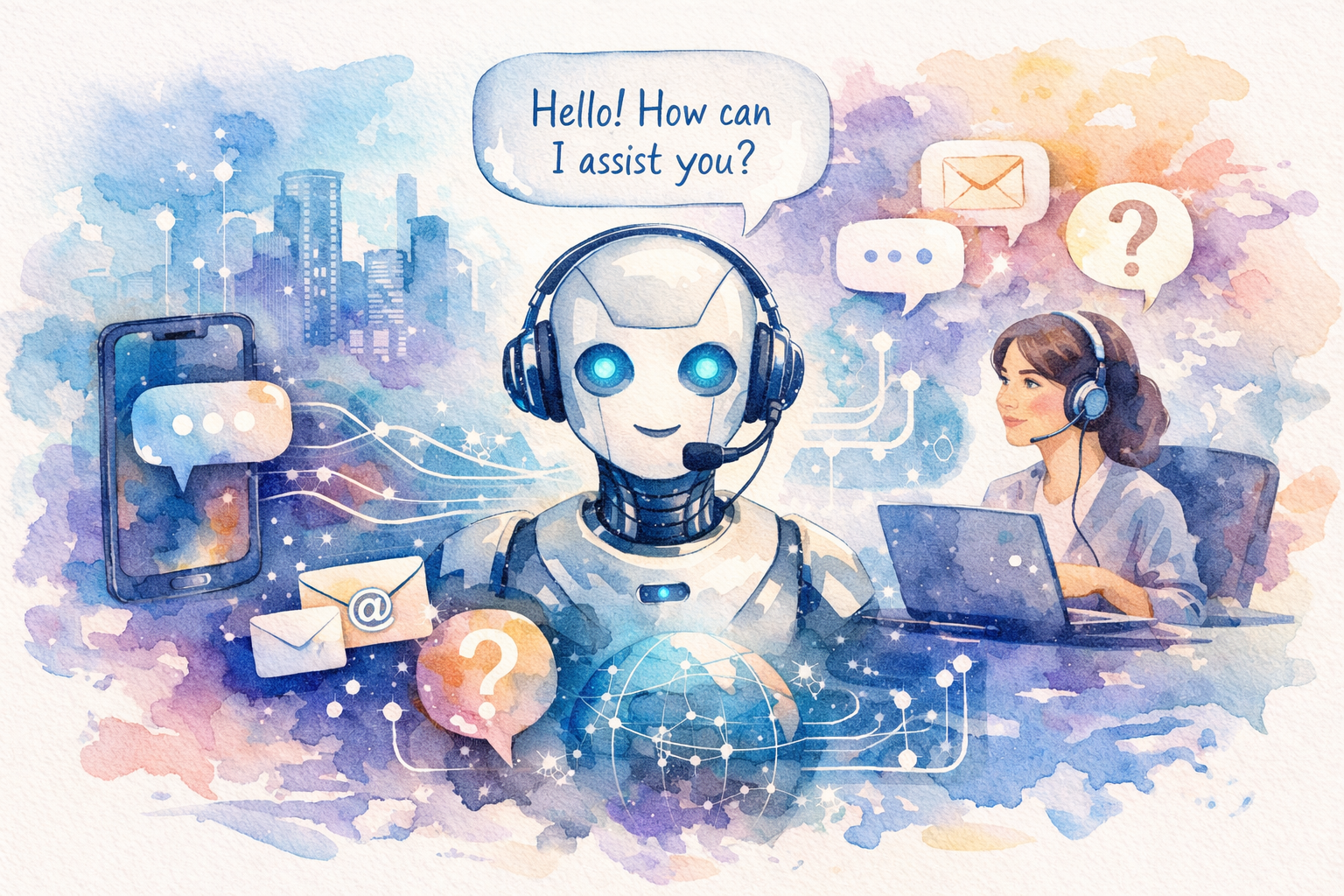
This is where an AI chatbot for website becomes your secret weapon. These intelligent virtual assistants work tirelessly around the clock, engaging visitors the moment they land on your site, answering questions instantly, and guiding them seamlessly through the buyer’s journey. The result? Higher conversion rates, increased sales, and happier customers who feel valued and understood.
Quick Answer: How Do AI Chatbots Increase Conversions?
AI chatbots boost website conversions by providing instant 24/7 customer support, personalising user experiences, qualifying leads automatically, reducing cart abandonment, and engaging visitors proactively. Studies show that businesses implementing chatbots see conversion rate improvements of 10-30%, with some experiencing even higher gains depending on their industry and implementation strategy.
In this comprehensive guide, we’ll explore ten proven ways that AI chatbots transform website performance, turning casual browsers into paying customers whilst simultaneously reducing operational costs and improving customer satisfaction.
Understanding AI Chatbots and Their Impact on Modern Websites
An AI chatbot for website is an intelligent software application powered by artificial intelligence and natural language processing (NLP) that simulates human conversation with website visitors. Unlike traditional rule-based chatbots that follow rigid scripts, modern AI chatbots learn from interactions, understand context, and provide increasingly sophisticated responses over time.
The chatbot market has experienced explosive growth in recent years. According to Grand View Research, the global chatbot market size was valued at USD 5.13 billion in 2022 and is projected to expand at a compound annual growth rate of 23.3% from 2023 to 2030. This remarkable growth reflects businesses’ recognition of chatbots’ transformative potential.
Why AI Chatbots Matter for Conversion Optimisation
Conversion optimisation is the systematic process of increasing the percentage of website visitors who complete desired actions—whether that’s making a purchase, filling out a form, or subscribing to a newsletter. AI chatbots directly impact this metric by addressing the fundamental barriers that prevent conversions:
- Response time: 82% of consumers expect an immediate response to sales or marketing questions, according to Salesforce research
- Availability: Customers browse and shop outside traditional business hours, requiring 24/7 support
- Personalisation: Modern consumers expect tailored experiences based on their preferences and behaviour
- Efficiency: Visitors want quick answers without navigating complex menus or waiting in queue
The Evolution of Conversational AI Technology
Today’s AI chatbots leverage advanced technologies including machine learning, natural language understanding, and sentiment analysis. Platforms like OpenAI, Google Dialogflow, and IBM Watson have democratised access to sophisticated AI capabilities, enabling businesses of all sizes to implement intelligent chatbot solutions.
These systems can now understand context, detect emotions, handle multiple languages, and even predict customer needs before they’re explicitly stated. This evolution has transformed chatbots from novelty features into essential conversion tools that deliver measurable ROI.
10 Proven Ways AI Chatbots Boost Website Conversions & Sales
1. Instant 24/7 Customer Support That Never Sleeps
The first and most obvious advantage of implementing an AI chatbot for website is round-the-clock availability. Unlike human support teams constrained by working hours, time zones, and staffing limitations, AI chatbots provide consistent support every hour of every day.
Research from Drift reveals that 64% of internet users say 24-hour service is the best feature of chatbots. This constant availability directly translates to conversion opportunities that would otherwise be lost during off-hours.
Consider an e-commerce business that receives international traffic. A potential customer in Australia browsing at midnight their time (which might be 2 PM in London) can receive immediate assistance, have their questions answered, and complete their purchase—all without human intervention. This eliminates the frustration of waiting until the next business day, when purchase intent may have cooled or the customer has moved to a competitor.
2. Proactive Engagement That Captures Attention
Rather than waiting passively for visitors to initiate contact, intelligent chatbots can proactively engage users based on specific triggers and behaviours. This proactive approach significantly increases engagement rates and conversion opportunities.
Effective proactive engagement strategies include:
- Greeting visitors within 10-15 seconds of landing on key pages
- Offering assistance when users spend extended time on product pages
- Detecting exit intent and presenting retention offers
- Triggering messages based on scroll depth or specific actions
- Re-engaging returning visitors with personalised messages
According to research by Intercom, proactive chat messages have a 5-8 times higher engagement rate compared to reactive support. This proactive stance transforms your website from a static information repository into an active sales environment.
3. Personalised User Experiences at Scale
Modern consumers expect personalised experiences tailored to their specific needs, preferences, and browsing history. An AI chatbot for website can deliver this personalisation automatically by analysing user data, previous interactions, and behavioural patterns.
Personalisation capabilities include:
- Addressing returning visitors by name
- Recommending products based on browsing history
- Adjusting conversation tone based on user sentiment
- Providing location-specific information and offers
- Remembering previous conversations and preferences
Research from Epsilon indicates that 80% of consumers are more likely to make a purchase when brands offer personalised experiences. AI chatbots enable this level of personalisation without requiring massive human resources, making it scalable and cost-effective.
4. Intelligent Lead Qualification and Scoring
Not all website visitors represent equal conversion opportunities. AI chatbots excel at qualifying leads by asking strategic questions, assessing responses, and scoring prospects based on predefined criteria. This ensures your sales team focuses their efforts on the most promising opportunities.
The lead qualification process typically involves:
- Identifying the visitor’s role and decision-making authority
- Understanding their budget and timeline
- Assessing their specific needs and pain points
- Determining fit with your product or service offerings
- Scoring leads based on qualification criteria
Qualified leads can be immediately routed to sales representatives, whilst lower-priority enquiries receive automated nurturing sequences. This intelligent triage system, as implemented by platforms like HubSpot and Zendesk, dramatically improves sales efficiency and conversion rates.
5. Dramatic Reduction in Cart Abandonment Rates
Cart abandonment remains one of e-commerce’s most persistent challenges, with the Baymard Institute reporting an average abandonment rate of 69.99% across industries. AI chatbots combat this problem through timely intervention and assistance.
Chatbots reduce cart abandonment by:
- Detecting hesitation and offering immediate assistance
- Answering last-minute questions about products or policies
- Providing discount codes or incentives to complete purchases
- Simplifying the checkout process through conversational commerce
- Addressing concerns about shipping, returns, or payment security
When a customer adds items to their cart but shows signs of leaving, an AI chatbot can intervene with a message like, “I noticed you’re interested in our premium package. Do you have any questions I can help with?” This simple intervention can recover sales that would otherwise be lost.
6. Seamless Omnichannel Customer Journey Integration
Today’s customers interact with brands across multiple touchpoints—website, mobile app, social media, email, and more. An effective AI chatbot for website integrates seamlessly across these channels, maintaining conversation context and providing consistent experiences regardless of where the interaction occurs.
This omnichannel approach ensures that a conversation started on your website can continue via Facebook Messenger, WhatsApp, or email without requiring customers to repeat information. The continuity eliminates friction and demonstrates that you value their time, significantly improving conversion likelihood.
7. Data Collection and Customer Insights
Every chatbot conversation generates valuable data about customer preferences, pain points, frequently asked questions, and objections. This intelligence goldmine informs broader marketing strategies, product development, and conversion optimisation efforts.
AI chatbots collect insights including:
- Common questions and concerns that indicate content gaps
- Product features that generate the most interest
- Pricing objections and competitive comparisons
- Customer sentiment and satisfaction levels
- Conversion barriers and friction points
Platforms like Tidio and LiveChat provide comprehensive analytics dashboards that transform raw conversation data into actionable insights, enabling continuous optimisation of both the chatbot and your broader conversion strategy.
8. Multilingual Support for Global Reach
Expanding into international markets traditionally required hiring multilingual support staff—an expensive and complex undertaking. AI chatbots eliminate this barrier by providing instant translation and multilingual support, enabling businesses to serve global audiences without proportional cost increases.
Modern AI chatbots can detect a visitor’s language preference automatically and conduct entire conversations in their native language. This capability, powered by services like Google Cloud Translation, removes language barriers that would otherwise prevent conversions from international visitors.
For businesses targeting multiple geographic markets, multilingual chatbot support can increase conversion rates by 20-40% among non-English speaking visitors, according to various industry studies.
9. Upselling and Cross-Selling Opportunities
AI chatbots excel at identifying upselling and cross-selling opportunities based on customer behaviour, purchase history, and stated preferences. Unlike aggressive sales tactics that alienate customers, chatbot recommendations feel helpful and contextually relevant.
Effective upselling strategies include:
- Suggesting premium versions with additional features
- Recommending complementary products based on cart contents
- Highlighting bundle deals that provide better value
- Offering upgrades during the purchase process
- Presenting personalised recommendations post-purchase
Research indicates that upselling to existing customers is 68% more cost-effective than acquiring new ones. AI chatbots automate this process, consistently identifying opportunities that human agents might miss whilst maintaining a helpful, non-pushy approach.
10. Significant Cost Reduction and ROI Improvement
Beyond direct conversion improvements, AI chatbots deliver substantial cost savings that improve overall ROI. IBM research suggests that chatbots can handle up to 80% of routine customer service questions, dramatically reducing the workload on human support teams.
Financial benefits include:
- Reduced staffing costs for customer support
- Lower training expenses as chatbots require no ongoing training
- Decreased customer acquisition costs through improved conversion rates
- Elimination of overtime and holiday pay requirements
- Scalability without proportional cost increases
According to Juniper Research, chatbots are expected to help businesses save over $8 billion annually by 2026. This combination of increased revenue through better conversions and reduced operational costs creates a compelling business case for chatbot implementation.
Implementing an AI Chatbot for Website: A Practical Guide
Understanding the benefits of AI chatbots is one thing; successfully implementing them is another. This section provides actionable guidance for businesses ready to deploy chatbot technology.
Step 1: Define Clear Objectives and Use Cases
Before selecting a chatbot platform or beginning development, clearly define what you want to achieve. Common objectives include:
- Reducing response time to customer enquiries
- Increasing lead generation and qualification
- Decreasing cart abandonment rates
- Improving customer satisfaction scores
- Reducing support ticket volume
Establish specific, measurable key performance indicators (KPIs) for each objective. For example, “reduce average response time from 4 hours to under 1 minute” or “increase lead qualification rate by 30%.” These metrics will guide your implementation and enable you to measure success objectively.
Step 2: Choose the Right Chatbot Platform
The chatbot platform landscape offers numerous options, from simple rule-based systems to sophisticated AI-powered solutions. Popular platforms include:
- Intercom – Comprehensive customer messaging platform with advanced AI capabilities
- Drift – Conversational marketing platform focused on B2B lead generation
- ManyChat – User-friendly platform ideal for small businesses and social media integration
- Chatfuel – No-code chatbot builder with strong Facebook Messenger integration
- Landbot – Visual chatbot builder with conversational landing page capabilities
Consider factors including your budget, technical expertise, integration requirements, scalability needs, and specific features required for your use cases. Most platforms offer free trials, allowing you to test functionality before committing.
Step 3: Design Conversational Flows and Personality
Effective chatbots require thoughtful conversation design that balances efficiency with engagement. Map out common user journeys and design conversational flows that guide visitors towards conversion goals whilst maintaining a natural, helpful tone.
Best practices for conversation design include:
- Keep initial messages brief and welcoming
- Use clear, simple language avoiding jargon
- Provide quick reply buttons for common responses
- Design for both goal-oriented and exploratory users
- Include graceful handoff to human agents when needed
- Develop a consistent brand personality and tone
Your chatbot’s personality should align with your brand identity. A financial services chatbot might adopt a professional, trustworthy tone, whilst a fashion retailer’s chatbot could be more playful and trend-focused.
Step 4: Integrate with Existing Systems
Maximum chatbot effectiveness requires integration with your existing technology stack, including your CRM, marketing automation platform, e-commerce system, and analytics tools. These integrations enable:
- Automatic lead capture and CRM updates
- Personalisation based on customer data
- Seamless handoffs to human agents with full context
- Comprehensive analytics and reporting
- Synchronised customer information across platforms
Most modern chatbot platforms offer native integrations with popular tools like Salesforce, HubSpot, Shopify, and WordPress, as well as API access for custom integrations.
Step 5: Train, Test, and Optimise Continuously
Chatbot implementation isn’t a one-time project but an ongoing process of refinement and optimisation. Begin with a focused deployment addressing your highest-priority use cases, then expand functionality based on performance data and user feedback.
Continuous optimisation involves:
- Analysing conversation logs to identify confusion points
- A/B testing different greeting messages and conversation flows
- Expanding the knowledge base based on unanswered questions
- Refining lead qualification criteria based on conversion data
- Updating responses to reflect new products, policies, or promotions
Schedule regular reviews of chatbot performance metrics, including engagement rate, resolution rate, customer satisfaction scores, and conversion impact. Use these insights to make data-driven improvements that enhance effectiveness over time.
Overcoming Common AI Chatbot Implementation Challenges
Whilst AI chatbots offer tremendous benefits, implementation isn’t without challenges. Understanding these obstacles and their solutions ensures smoother deployment and better outcomes.
Challenge 1: Managing Customer Expectations
Customers sometimes feel frustrated when they realise they’re interacting with a bot rather than a human, particularly if the chatbot can’t address their specific needs. This frustration can damage rather than enhance the customer experience.
Solution: Be transparent about chatbot interactions from the start. Use clear language like “Hi, I’m your virtual assistant” rather than attempting to deceive users. Design seamless escalation paths to human agents for complex queries, and set realistic expectations about what the chatbot can and cannot do. Research from PwC shows that 75% of consumers want the option to interact with a human, so always provide that choice.
Challenge 2: Handling Complex or Unusual Queries
Even sophisticated AI chatbots struggle with highly complex, nuanced, or unusual questions that fall outside their training data. Poor handling of these situations can frustrate users and harm conversions.
Solution: Implement intelligent fallback mechanisms that recognise when the chatbot is out of its depth. Rather than providing incorrect information or repeatedly failing to understand, the chatbot should acknowledge its limitations and offer alternatives: “That’s a great question that requires specialist knowledge. Would you like me to connect you with a team member who can help?” This honest approach maintains trust whilst ensuring customers receive accurate information.
Challenge 3: Maintaining Data Privacy and Security
Chatbots collect and process significant amounts of customer data, raising important privacy and security considerations. Mishandling this data can result in regulatory violations, security breaches, and reputational damage.
Solution: Ensure your chatbot implementation complies with relevant regulations including GDPR, CCPA, and industry-specific requirements. Implement robust security measures including data encryption, secure authentication, and regular security audits. Be transparent about data collection and usage in your privacy policy, and provide customers with control over their data. Choose chatbot platforms with strong security credentials and compliance certifications.
Challenge 4: Avoiding Robotic or Impersonal Interactions
Poorly designed chatbots can feel mechanical and impersonal, creating negative brand impressions rather than building relationships. This is particularly problematic for businesses where personal connection drives conversions.
Solution: Invest in quality conversation design that incorporates natural language, personality, and empathy. Use varied responses rather than repetitive scripts, acknowledge emotions when appropriate, and inject appropriate humour or warmth. Platforms like Ada and Boost.ai offer advanced natural language capabilities that create more human-like interactions. Regularly review conversation logs and refine language to sound more natural and engaging.
Challenge 5: Measuring True ROI and Attribution
Whilst chatbots generate numerous metrics, connecting these to actual business outcomes and calculating true ROI can be challenging, particularly when conversions involve multiple touchpoints.
Solution: Implement comprehensive tracking that connects chatbot interactions to conversion events using tools likeGoogle Analytics and your CRM system. Use UTM parameters and conversion tracking to attribute sales and leads accurately. Establish baseline metrics before chatbot implementation, then measure changes in key indicators including conversion rate, average order value, customer acquisition cost, and customer lifetime value. Consider both direct conversions initiated through the chatbot and assisted conversions where the chatbot played a supporting role.
The Future of AI Chatbots and Website Conversions
The AI chatbot for website landscape continues evolving rapidly, with emerging technologies promising even greater conversion impact. Voice-enabled chatbots, emotional intelligence capabilities, predictive analytics, and deeper integration with augmented reality are transforming how businesses engage customers online.
As natural language processing advances, chatbots will become increasingly indistinguishable from human agents whilst maintaining the scalability and cost advantages of automation. Businesses that embrace these technologies now position themselves advantageously for the future of digital commerce.
The evidence is clear: AI chatbots represent not just a technological novelty but a fundamental shift in how successful websites engage visitors and drive conversions. From 24/7 availability and personalised experiences to intelligent lead qualification and reduced operational costs, chatbots deliver measurable improvements across every stage of the customer journey.
Whether you’re an e-commerce retailer looking to reduce cart abandonment, a B2B company seeking better lead qualification, or a service provider wanting to improve customer support efficiency, implementing an AI chatbot for website can deliver transformative results. The key lies in thoughtful implementation aligned with clear business objectives, continuous optimisation based on data, and maintaining the human touch that builds lasting customer relationships.
Ready to transform your website’s conversion performance with AI chatbot technology? The team at The Crunch specialises in implementing intelligent chatbot solutions tailored to your specific business needs and objectives. We’ll help you select the right platform, design effective conversational flows, integrate with your existing systems, and optimise for maximum conversion impact.
Don’t let another potential customer slip away due to delayed responses or unavailable support. Contact The Crunch today to schedule your free consultation and discover how an AI chatbot can boost your website conversions and sales.
Frequently Asked Questions (FAQ)
1. What is an AI chatbot for a website?
2. How does an AI chatbot work on a website?
3. What are the benefits of adding an AI chatbot to my website?
4. How do I add an AI chatbot to my website?
5. How much does an AI chatbot for a website cost?
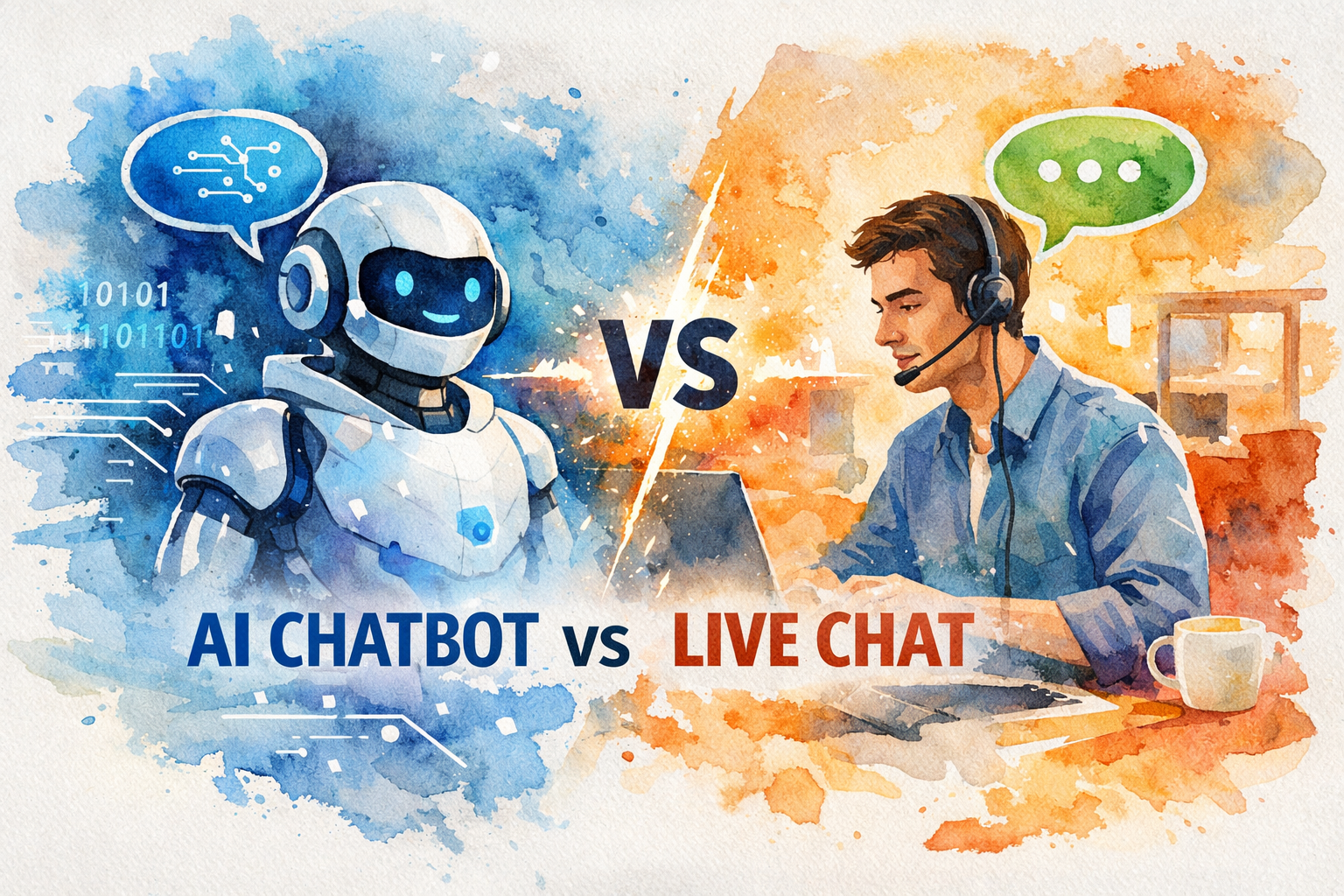
6. What is the difference between AI chatbots and live chat support?
7. Can an AI chatbot handle multiple languages?
8. Are AI chatbots secure for my website and users?
9. Will an AI chatbot replace human customer support?
10. How do I train or customize my AI chatbot?
11. What are common challenges when using AI chatbots on websites?
12. How quickly can I get started with an AI chatbot for my website?