The Game-Changing AI Chatbot Solutions You Should Know Before 2026
Imagine losing sales simply because no one was available to answer customer questions at 2 AM. In today’s always-on digital economy, businesses can’t afford to miss opportunities due to limited availability. This is where AI chatbot solutions become game-changers, revolutionizing how companies interact with customers around the clock.
Modern consumers expect instant responses, personalized experiences, and seamless support across multiple channels. Traditional customer service models struggle to meet these demands without exponentially increasing costs. AI-powered chatbots bridge this gap by delivering intelligent, automated conversations that feel remarkably human.
In this comprehensive guide, we’ll explore seven transformative AI chatbot solutions that are reshaping business operations. You’ll discover how these technologies enhance customer engagement, reduce operational costs, and drive revenue growth. We’ll cover everything from understanding chatbot fundamentals to implementing these solutions effectively in your organization, along with practical strategies to overcome common challenges.
Understanding AI Chatbot Solutions and Their Business Impact
AI chatbot solutions represent sophisticated software applications that use artificial intelligence, natural language processing (NLP), and machine learning to simulate human-like conversations with users. Unlike simple rule-based bots of the past, modern AI chatbots understand context, learn from interactions, and provide increasingly accurate responses over time.
The global chatbot market is experiencing explosive growth, projected to reach $15.5 billion by 2028, according to MarketsandMarkets. This surge reflects businesses recognizing the tangible benefits these solutions deliver. Companies implementing AI chatbots report up to 70% reduction in customer service costs while simultaneously improving customer satisfaction scores, with Vodafone achieving a 70% reduction in cost-per-chat after implementing its AI assistant.
Why Businesses Are Embracing Conversational AI
The shift toward AI chatbot solutions stems from fundamental changes in consumer behavior and business economics. Today’s customers interact with brands across multiple touchpoints—websites, social media, messaging apps, and mobile platforms. Managing these channels manually becomes prohibitively expensive and operationally complex.
AI chatbots excel at handling repetitive inquiries that consume significant staff time. Research from IBM suggests that chatbots can successfully resolve up to 80% of routine customer questions without human intervention. This frees your team to focus on complex issues requiring emotional intelligence and creative problem-solving.
Key Technologies Powering Modern Chatbots
Understanding the technology behind AI chatbot solutions helps businesses make informed implementation decisions. Natural Language Processing enables bots to comprehend user intent beyond literal keywords. Machine learning algorithms allow chatbots to improve accuracy through continuous interaction data analysis.
Advanced solutions incorporate sentiment analysis to detect customer emotions and adjust responses accordingly. Integration capabilities with CRM systems, databases, and business applications enable chatbots to access relevant information and perform actions like scheduling appointments, processing orders, or updating account details.
7 Transformative AI Chatbot Solutions for Business Growth
Let’s explore seven powerful ways AI chatbot solutions can revolutionize your business operations and customer experience.
1. 24/7 Customer Support Automation
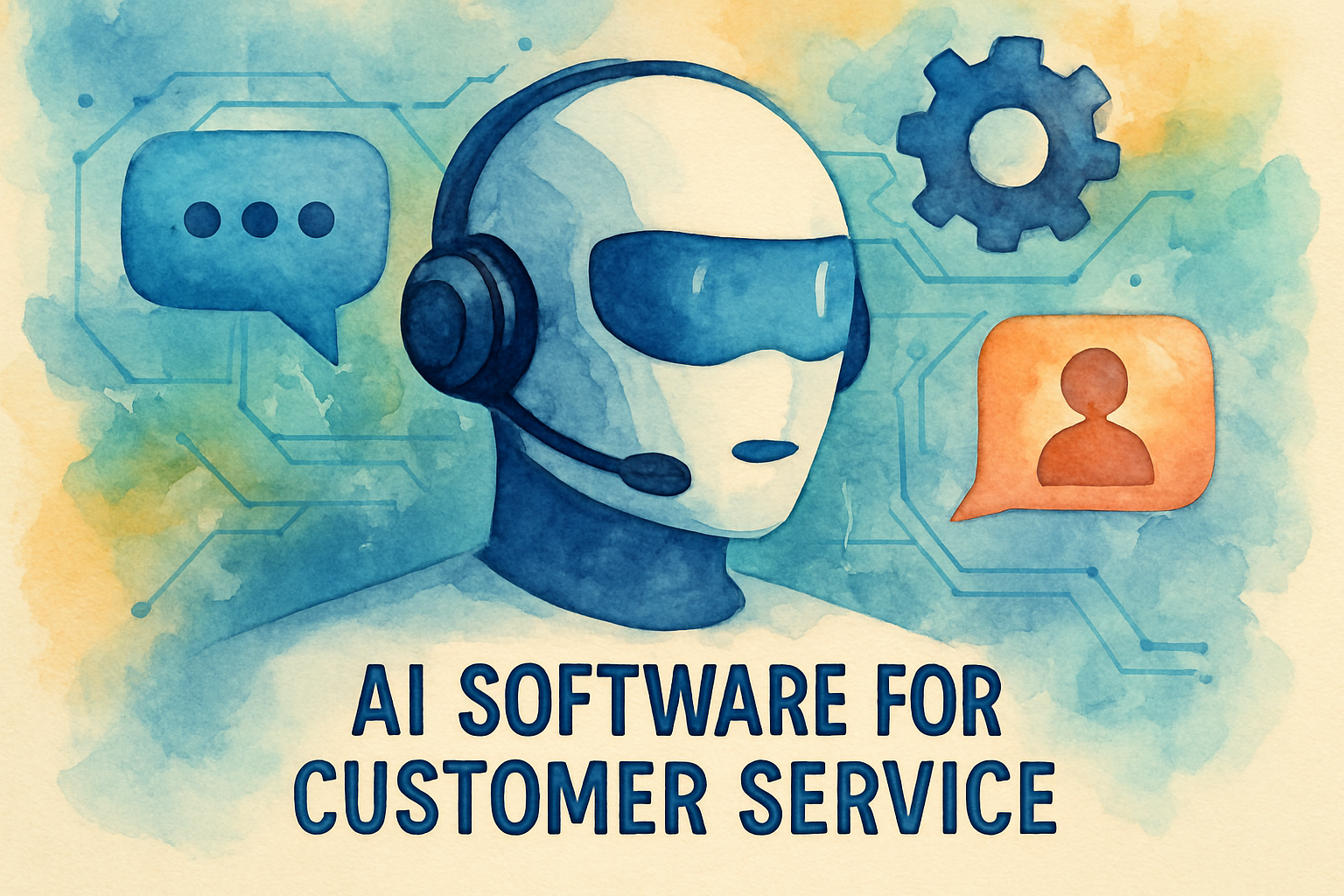
Round-the-clock availability represents the most immediate benefit of implementing AI chatbot solutions. Your virtual assistant never sleeps, takes breaks, or calls in sick. Customers receive instant responses regardless of time zones or holidays, dramatically improving satisfaction and reducing abandonment rates.
Companies like Sephora have leveraged chatbots to provide beauty advice and product recommendations at any hour, resulting in increased engagement and sales conversions. The chatbot handles thousands of simultaneous conversations, something impossible with human agents alone.
2. Lead Generation and Qualification
AI chatbots transform website visitors into qualified leads through intelligent conversations. Rather than static contact forms, chatbots engage prospects with personalized questions, gathering valuable information while maintaining natural dialogue flow.
These solutions can score leads based on responses, routing high-value prospects to sales teams immediately while nurturing others through automated follow-up sequences. Drift, a conversational marketing platform, reports that businesses using chatbots for lead qualification see 10x faster response times and significantly higher conversion rates.
3. E-commerce Sales Assistance
Shopping chatbots guide customers through product discovery, answer specifications questions, and provide personalized recommendations based on preferences and browsing history. This creates experiences similar to in-store assistance within digital environments.
H&M’s chatbot helps customers find outfits by asking about style preferences and occasions, then suggesting complete looks. This approach increases average order values while reducing cart abandonment by addressing concerns before checkout.
4. Internal Employee Support
AI chatbot solutions aren’t limited to customer-facing applications. Internal chatbots streamline HR processes, IT support, and knowledge management. Employees get instant answers to policy questions, troubleshooting guidance, or help navigating company systems.
This reduces the burden on support departments while improving employee productivity. Companies report 40-60% reduction in routine IT support tickets after implementing internal chatbot systems.
5. Appointment Scheduling and Management
Automated scheduling chatbots eliminate phone tag and email chains. These solutions check availability, book appointments, send reminders, and handle rescheduling requests—all through conversational interfaces across multiple channels.
Healthcare providers, salons, and professional services firms particularly benefit from this application. Patients or clients schedule appointments at their convenience without waiting for business hours, while staff avoids time-consuming administrative tasks.
6. Personalized Marketing Campaigns
AI chatbots deliver targeted marketing messages based on user behavior, preferences, and interaction history. Unlike mass email campaigns, chatbot marketing feels personal and interactive, achieving significantly higher engagement rates.
These solutions can segment audiences dynamically, test different messaging approaches, and optimize campaigns in real-time based on response patterns. Businesses using conversational marketing report 3-5x higher click-through rates compared to traditional email marketing.
7. Multilingual Customer Engagement
Global businesses face language barriers when expanding into new markets. AI chatbot solutions with multilingual capabilities provide consistent service across languages without hiring specialized staff for each market.
Advanced translation and localization features ensure culturally appropriate responses while maintaining brand voice. This democratizes global expansion, allowing smaller businesses to compete internationally without massive infrastructure investments.
Implementing AI Chatbot Solutions: A Strategic Roadmap
Successfully deploying AI chatbot solutions requires thoughtful planning and execution. Follow this strategic framework to maximize your implementation success.
Step 1: Define Clear Objectives and Use Cases
Begin by identifying specific business problems your chatbot will solve. Are you primarily focused on reducing support costs, increasing sales conversions, or improving customer satisfaction? Clear objectives guide technology selection and success measurement.
Document your most common customer inquiries and internal processes suitable for automation. Prioritize use cases offering the highest impact with reasonable implementation complexity. Starting with focused applications builds momentum and demonstrates ROI before expanding functionality.
Step 2: Choose the Right Platform and Technology
The AI chatbot solutions market offers numerous platforms with varying capabilities and price points. Evaluate options based on your technical requirements, integration needs, scalability, and budget constraints.
Step 3: Design Conversational Flows and Personality
Effective chatbots require careful conversation design. Map out dialogue flows for each use case, anticipating various user paths and potential confusion points. Include fallback responses for situations the bot can’t handle, ensuring smooth handoffs to human agents when necessary.
Develop a consistent personality aligned with your brand voice. Should your chatbot be formal or casual? Humorous or straightforward? This personality should remain consistent across all interactions while adapting tone based on context and user sentiment.
Step 4: Integrate with Existing Systems
AI chatbot solutions deliver maximum value when connected to your business systems. Integration with CRM platforms enables personalized responses based on customer history. Connecting to inventory systems allows real-time product availability information. Payment gateway integration enables transaction completion within conversations.
Work with your IT team or implementation partner to establish secure, reliable integrations. Ensure data flows bidirectionally where appropriate, keeping all systems synchronized and avoiding information silos.
Step 5: Train and Optimize Continuously
Initial deployment is just the beginning. Monitor chatbot conversations regularly, identifying misunderstandings and gaps in knowledge. Use these insights to refine responses, add new intents, and improve accuracy.
Implement A/B testing for different response variations, measuring which approaches achieve better outcomes. Analyze conversation abandonment points and user satisfaction ratings to guide optimization priorities. The most successful AI chatbot solutions evolve continuously based on real-world performance data.
Step 6: Promote Adoption and Gather Feedback
Even the most sophisticated chatbot provides no value if customers don’t use it. Promote your chatbot through website placement, email announcements, and social media. Make the chatbot easily discoverable and clearly communicate its capabilities.
Overcoming Common AI Chatbot Implementation Challenges
While AI chatbot solutions offer tremendous benefits, implementations face predictable challenges. Understanding these obstacles and their solutions ensures smoother deployment and better outcomes.
Challenge 1: Managing User Expectations
Users sometimes expect chatbots to understand complex requests with human-level comprehension. When bots fail to meet these expectations, frustration and abandonment follow. The solution involves setting clear expectations upfront about chatbot capabilities and limitations.
Use welcome messages that explain what the bot can help with. Provide quick-reply buttons guiding users toward supported functions. Implement seamless escalation to human agents when conversations exceed bot capabilities, ensuring users never feel trapped in unhelpful loops.
Challenge 2: Maintaining Conversation Quality
Poor conversation design creates frustrating experiences that damage brand perception. Chatbots that misunderstand questions, provide irrelevant answers, or use awkward language drive users away. Investing in professional conversation design and thorough testing prevents these issues.
Conduct user testing with diverse participants before full launch. Record and review actual conversations regularly, identifying patterns in misunderstandings. Continuously expand your training data with real user inputs to improve natural language understanding over time.
Challenge 3: Integration Complexity
Connecting AI chatbot solutions with legacy systems or complex IT environments presents technical challenges. APIs may be unavailable, documentation inadequate, or security requirements restrictive. Address these issues through careful planning and appropriate technical resources.
Conduct thorough technical discovery before selecting platforms. Engage experienced integration specialists when dealing with complex environments. Consider middleware solutions that simplify connections between chatbots and backend systems. Start with simpler integrations to build expertise before tackling more complex connections.
Challenge 4: Measuring ROI and Success
Demonstrating chatbot value requires appropriate metrics and measurement frameworks. Many organizations struggle to quantify benefits beyond basic usage statistics. Establish comprehensive KPIs aligned with your original objectives.
Track metrics like resolution rate, average handling time, customer satisfaction scores, cost per conversation, and conversion rates. Compare these against baseline performance before chatbot implementation. Calculate cost savings from reduced human agent workload and revenue impact from improved conversion rates or increased sales.
Challenge 5: Keeping Content Current
Business information changes constantly—new products launch, policies update, and processes evolve. Outdated chatbot responses create confusion and erode trust. Implement governance processes ensuring chatbot knowledge stays synchronized with business changes.
Assign ownership for chatbot content maintenance to specific team members. Create workflows that automatically trigger chatbot updates when relevant business changes occur. Schedule regular content audits to identify and correct outdated information proactively.
The Future of AI Chatbot Solutions
The evolution of AI chatbot solutions continues accelerating, with emerging technologies promising even more sophisticated capabilities. Voice-enabled chatbots are becoming mainstream, allowing hands-free interactions through smart speakers and mobile devices. Emotional intelligence improvements enable bots to detect and respond appropriately to user frustration, excitement, or confusion.
Predictive capabilities will allow chatbots to anticipate customer needs before explicit requests, proactively offering assistance based on behavior patterns and contextual signals. Integration with augmented reality could enable visual product demonstrations and troubleshooting guidance within conversational interfaces.
As these technologies mature, the distinction between human and AI conversations will continue blurring. Businesses that embrace AI chatbot solutions now position themselves to leverage these advancing capabilities, building competitive advantages in customer experience and operational efficiency.
Transform Your Business with AI Chatbot Solutions
AI chatbot solutions represent more than technological novelty—they’re strategic assets that fundamentally transform how businesses operate and engage customers. From providing 24/7 support to qualifying leads, personalizing marketing, and streamlining internal operations, these intelligent systems deliver measurable impact across multiple dimensions.
The businesses thriving in tomorrow’s competitive landscape will be those that effectively harness conversational AI today. Success requires more than simply deploying technology; it demands strategic thinking about customer needs, careful implementation planning, and commitment to continuous optimization.
Whether you’re just beginning to explore AI chatbot solutions or looking to enhance existing implementations, the opportunities for business improvement are substantial. The key is starting with clear objectives, choosing appropriate technology, and maintaining focus on delivering genuine value to users.
Ready to transform your customer experience and operational efficiency with AI chatbot solutions? The experts at The Crunch specialize in helping businesses design, implement, and optimize conversational AI strategies tailored to your unique needs. Schedule your free consultation today and discover how AI chatbots can drive growth for your organization.
Frequently Asked Questions (FAQ)
1. What is an AI chatbot solution?
2. How do AI chatbots work?
3. What are the main benefits of using AI chatbot solutions?
4. How do I get started with an AI chatbot for my business?
5. How much do AI chatbot solutions cost?
6. How do AI chatbots compare to live chat support?
7. Are AI chatbots secure and private?
8. Can AI chatbots be integrated with existing systems?
9. What industries can benefit from AI chatbot solutions?
10. What are common challenges when implementing AI chatbots?
11. Do AI chatbots require coding skills to set up?
12. How can I measure the effectiveness of my AI chatbot?