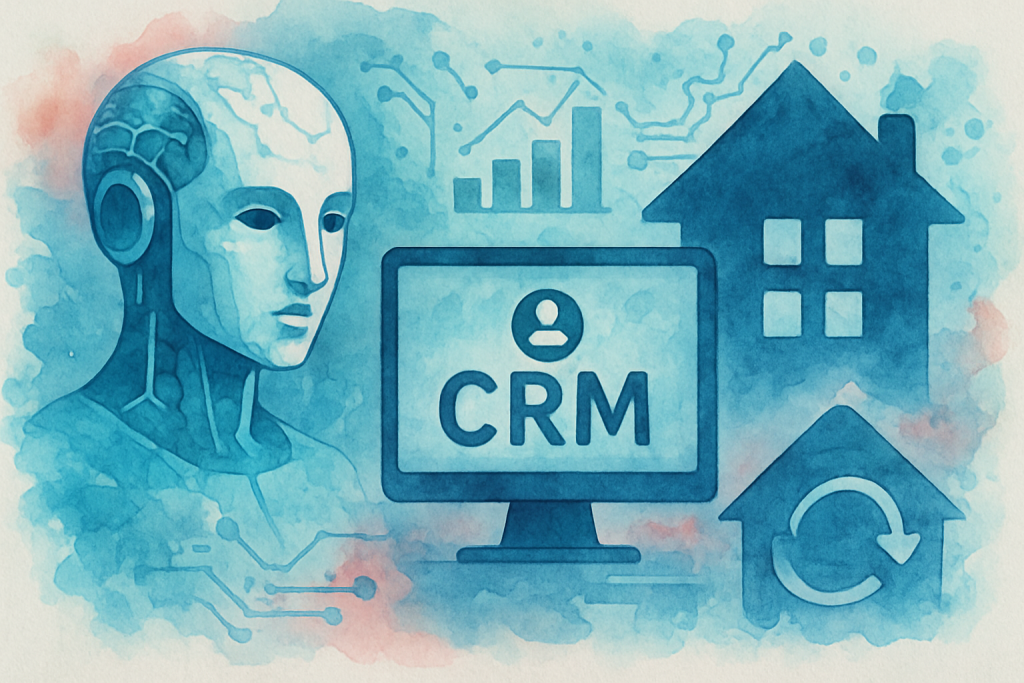
7 Ways AI CRM Transforms Real Estate Sales & ROI
Real estate agents are drowning in spreadsheets, missed follow-ups, and lost opportunities. While you’re manually tracking leads, your competitors are closing deals 40% faster using intelligent automation. The game has changed, and traditional customer relationship management systems simply can’t keep pace with today’s fast-moving property market.
Enter AI CRM real estate technology—a revolutionary approach that combines artificial intelligence with customer relationship management to transform how agents attract, nurture, and convert prospects. This isn’t just another software upgrade; it’s a fundamental shift in how successful real estate professionals operate in 2026 and beyond.
In this comprehensive guide, you’ll discover seven powerful ways AI-powered CRM systems are revolutionizing real estate sales, increasing ROI, and giving forward-thinking agents an unbeatable competitive advantage. From predictive lead scoring to automated client communication, we’ll explore practical strategies you can implement immediately to transform your business.
Understanding AI CRM in Real Estate: The Foundation of Modern Sales
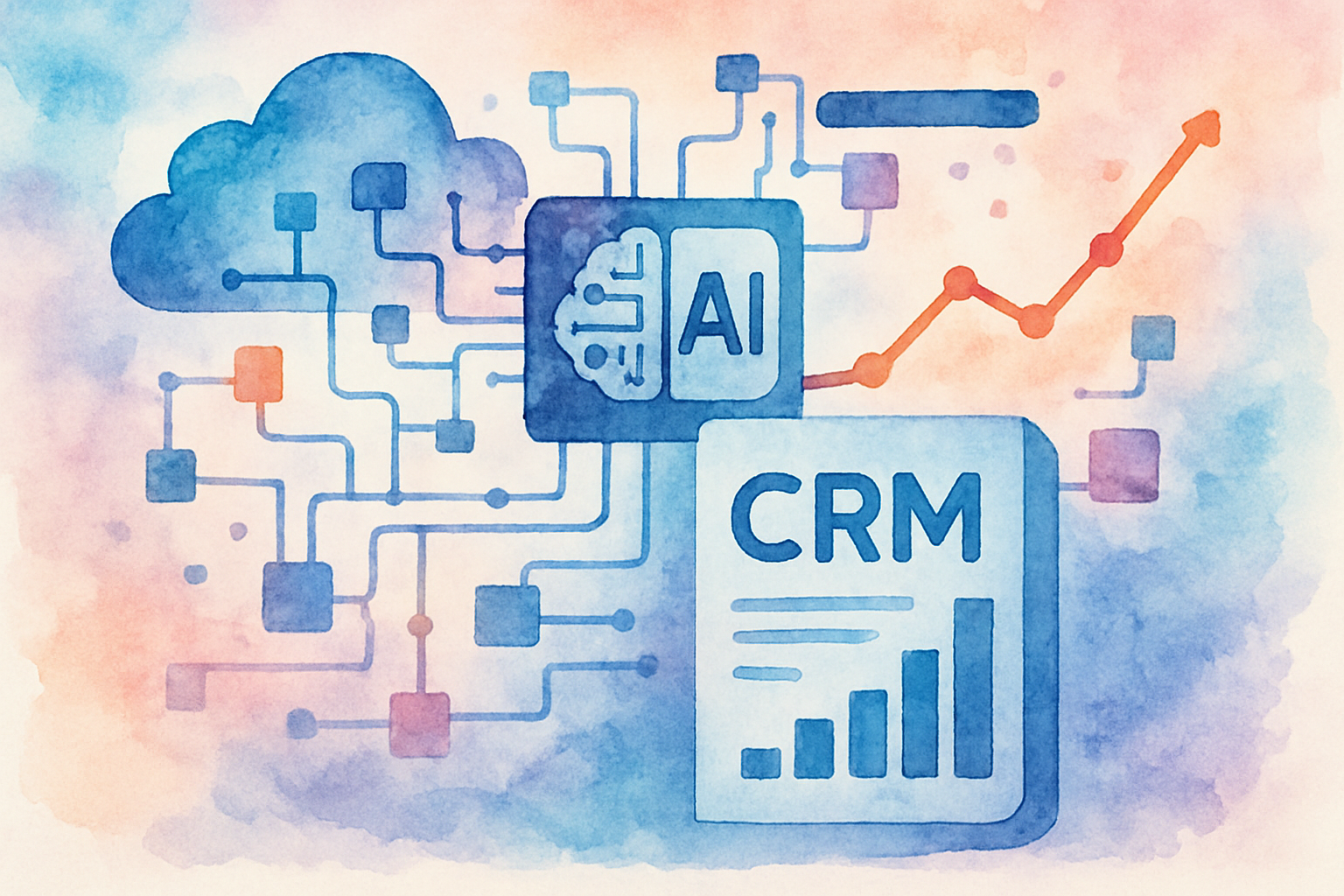
An AI CRM real estate platform goes far beyond traditional contact management. It’s an intelligent system that learns from every interaction, predicts client behavior, and automates time-consuming tasks that once consumed hours of your day.
What Makes AI CRM Different from Traditional Systems
Traditional CRMs are essentially digital filing cabinets—they store information but require you to do all the thinking and decision-making. AI-powered systems, however, actively analyze data patterns, identify opportunities, and recommend actions based on millions of data points.
According to recent industry research, real estate professionals using AI CRM technology report 38% higher lead conversion rates and save an average of 15 hours per week on administrative tasks. These systems use machine learning algorithms to understand which leads are most likely to convert, when to reach out, and what messaging resonates best with different client segments.
The Current State of Real Estate Technology Adoption
The real estate industry has traditionally lagged behind other sectors in technology adoption, but this is changing rapidly. According to the National Association of REALTORS® Technology Survey, a growing majority of real estate professionals now rely on advanced digital tools, including AI-assisted CRMs, automated marketing platforms, and data-driven insights to support their daily operations.
This shift towards intelligent automation is no longer optional. Buyers and sellers increasingly expect instant responses, personalised communication, and seamless digital experiences — demands that manual processes struggle to meet consistently at scale.
Seven Game-Changing Benefits of AI CRM Real Estate Solutions
1. Predictive Lead Scoring and Prioritization
Not all leads are created equal, but identifying the hot prospects from tire-kickers has always been more art than science. AI CRM systems analyze hundreds of behavioral signals—email opens, website visits, property searches, response times—to assign accurate lead scores.
This means you spend your valuable time with prospects who are actually ready to buy or sell, rather than chasing cold leads. One California brokerage reported a 52% increase in closed transactions within six months of implementing AI-powered lead scoring.
2. Automated Follow-Up That Never Sleeps
The fortune is in the follow-up, but consistent follow-up is where most agents fail. Life gets busy, and that promising lead from last week slips through the cracks. AI CRM real estate platforms eliminate this problem entirely.
These systems automatically send personalized emails, text messages, and even voicemails at optimal times based on each prospect’s behavior patterns. The AI learns when individual clients are most likely to engage and adjusts communication timing accordingly.
3. Intelligent Property Matching and Recommendations
Imagine having a tireless assistant who knows every property in your market and can instantly match them to client preferences. AI-powered CRMs analyze client search behavior, stated preferences, and even subtle signals to recommend properties with uncanny accuracy.
This capability doesn’t just save time—it positions you as an invaluable advisor who truly understands client needs. Buyers receive relevant listings automatically, keeping you top-of-mind throughout their search journey.
When is the right time to reach out to past clients about selling? Which neighborhoods are about to heat up? AI CRM systems analyze market trends, seasonal patterns, and individual client circumstances to identify optimal timing for outreach.
This proactive approach transforms your business from reactive to strategic. You’re not just responding to inquiries—you’re anticipating needs and creating opportunities before competitors even know they exist.
Implementing AI CRM: Your Step-by-Step Success Blueprint
Phase 1: Assessment and Planning (Weeks 1-2)
Start by auditing your current processes. Where are leads falling through the cracks? Which tasks consume the most time? What information do you wish you had at your fingertips during client conversations?
Document your existing workflow, including lead sources, follow-up sequences, and conversion bottlenecks. This baseline assessment will help you measure improvement and ensure your AI CRM real estate implementation addresses your specific pain points.
Set clear, measurable goals. Rather than vague objectives like “improve efficiency,” aim for specific targets: “Reduce response time to new leads from 4 hours to 15 minutes” or “Increase lead-to-appointment conversion rate from 12% to 20%.”
Phase 2: Data Migration and System Setup (Weeks 3-4)
Clean data is the foundation of effective AI. Before migrating to your new system, deduplicate contacts, standardize formatting, and remove outdated information. Poor data quality will undermine even the most sophisticated AI algorithms.
Most modern AI CRM platforms offer guided setup wizards and migration tools. Take advantage of vendor support during this critical phase. Configure automated workflows for common scenarios: new lead intake, showing follow-up, offer negotiation, and post-closing nurture sequences.
Phase 3: Team Training and Adoption (Weeks 5-6)
Technology only delivers value when people actually use it. Invest in comprehensive training for your entire team. Focus on the “why” behind each feature, not just the “how.” When team members understand how AI CRM makes their lives easier, adoption rates soar.
Phase 4: Optimization and Scaling (Ongoing)
AI systems improve over time as they learn from your data. Review performance metrics weekly during the first month, then monthly thereafter. Which automated sequences generate the best response rates? Which lead sources convert most effectively?
Use these insights to continuously refine your approach. The most successful AI CRM real estate users treat implementation as an ongoing optimization process, not a one-time project.
Overcoming Common AI CRM Implementation Challenges
Challenge 1: Team Resistance to Change
Veteran agents often resist new technology, especially if they’ve found success with existing methods. The solution isn’t to force adoption but to demonstrate clear value quickly.
Start with a pilot program featuring your most tech-savvy team members. When others see tangible results—more appointments, faster closings, less administrative work—resistance typically melts away. Share specific success stories and metrics regularly.
Challenge 2: Data Privacy and Compliance Concerns
Real estate involves sensitive personal and financial information. Ensure your AI CRM platform complies with relevant regulations including GDPR, CCPA, and real estate-specific requirements.
Look for systems with robust security features: encryption, role-based access controls, and comprehensive audit trails. Transparency with clients about how their data is used builds trust rather than eroding it.
Challenge 3: Integration with Existing Tools
Most agents already use multiple tools: MLS systems, transaction management platforms, email marketing services, and accounting software. Your AI CRM real estate solution should integrate seamlessly with these existing tools, not replace them all.
Prioritize platforms with open APIs and pre-built integrations for popular real estate tools. The goal is a unified ecosystem where data flows automatically between systems, eliminating manual data entry and reducing errors.
Challenge 4: Maintaining the Human Touch
Some agents worry that automation makes their service feel impersonal. The reality is quite the opposite—AI handles routine tasks so you can focus on high-value human interactions.
Use automation for initial outreach, appointment reminders, and information delivery. Reserve your personal attention for consultations, negotiations, and relationship-building moments where your expertise and empathy truly matter. This combination of efficiency and personalization is what modern clients expect.
Measuring Success: Key Performance Indicators for AI CRM
Track these critical metrics to quantify your AI CRM investment’s return:
- Lead Response Time: How quickly do you engage new inquiries? Top performers respond within 5 minutes.
- Lead-to-Appointment Conversion Rate: What percentage of leads schedule consultations? Aim for 15-25%.
- Average Deal Cycle Length: How long from first contact to closing? AI CRM typically reduces this by 20-30%.
- Client Retention Rate: Are past clients returning for future transactions? Automated nurture campaigns significantly boost repeat business.
- Revenue Per Lead: The ultimate measure—are you generating more income from the same lead volume?
Benchmark these metrics before implementation and track them monthly. Most agents see measurable improvement within 60-90 days of proper AI CRM deployment.
Transform Your Real Estate Business with AI CRM Technology
The real estate industry is experiencing a technological revolution, and AI CRM real estate platforms are at the forefront of this transformation. From predictive lead scoring to automated follow-up sequences, these intelligent systems are helping forward-thinking agents close more deals, serve clients better, and reclaim countless hours previously lost to administrative tasks.
Success in modern real estate isn’t about working harder; it’s about working smarter. While your competitors are still manually tracking leads in spreadsheets, you can be leveraging AI to identify the hottest prospects, engage them at exactly the right moment, and guide them smoothly through the transaction process.
The question isn’t whether to adopt AI CRM technology—it’s how quickly you can implement it to gain a competitive advantage. Every day you wait is another day of missed opportunities, lost leads, and inefficient processes costing you time and money.
Ready to transform your real estate business with cutting-edge AI CRM solutions? The Crunch specializes in helping real estate professionals implement and optimize AI-powered systems that deliver measurable results. Our team of experts will analyze your current processes, recommend the perfect solution for your needs, and guide you through every step of implementation.
Don’t let another qualified lead slip through the cracks. Contact The Crunch today to schedule your free consultation and discover how AI CRM can revolutionize your real estate sales and ROI.
Frequently Asked Questions (FAQ)
1. What is an AI CRM for real estate?
2. How does an AI CRM help real estate agents?
3. What features should I look for in an AI CRM for real estate?
4. How do I get started with an AI CRM in my real estate business?
5. How does an AI CRM compare to a traditional CRM?
6. What are the main benefits of using an AI CRM in real estate?
7. How much does an AI CRM for real estate cost?
8. Is my client data safe with an AI CRM?
9. Can an AI CRM integrate with my existing real estate tools?
10. Will using an AI CRM replace the need for personal client relationships?
11. What are common concerns about adopting an AI CRM in real estate?
12. How long does it take to see results from using an AI CRM?