7 Ways AI Transforms Customer Relationships & Boosts Sales | AI Customer Relationship Management
Meta Description: Discover how AI customer relationship management revolutionizes sales and customer engagement. Learn 7 proven strategies to transform your business relationships today.
Introduction: The Future of Customer Relationships Is Here
Imagine having a team member who never sleeps, remembers every customer interaction, and predicts what your clients need before they ask. That’s not science fiction—it’s the reality of AI customer relationship management in 2025.
Traditional CRM systems have served businesses well for decades, but they’re increasingly struggling to keep pace with modern customer expectations. Today’s consumers demand personalized experiences, instant responses, and seamless interactions across multiple channels. Manual data entry, delayed follow-ups, and generic marketing messages simply don’t cut it anymore.
In this comprehensive guide, we’ll explore seven transformative ways that AI customer relationship management is reshaping the business landscape. You’ll discover practical strategies, real-world examples, and actionable insights to help you leverage this technology for maximum impact.
Understanding AI Customer Relationship Management
What Makes AI-Powered CRM Different?
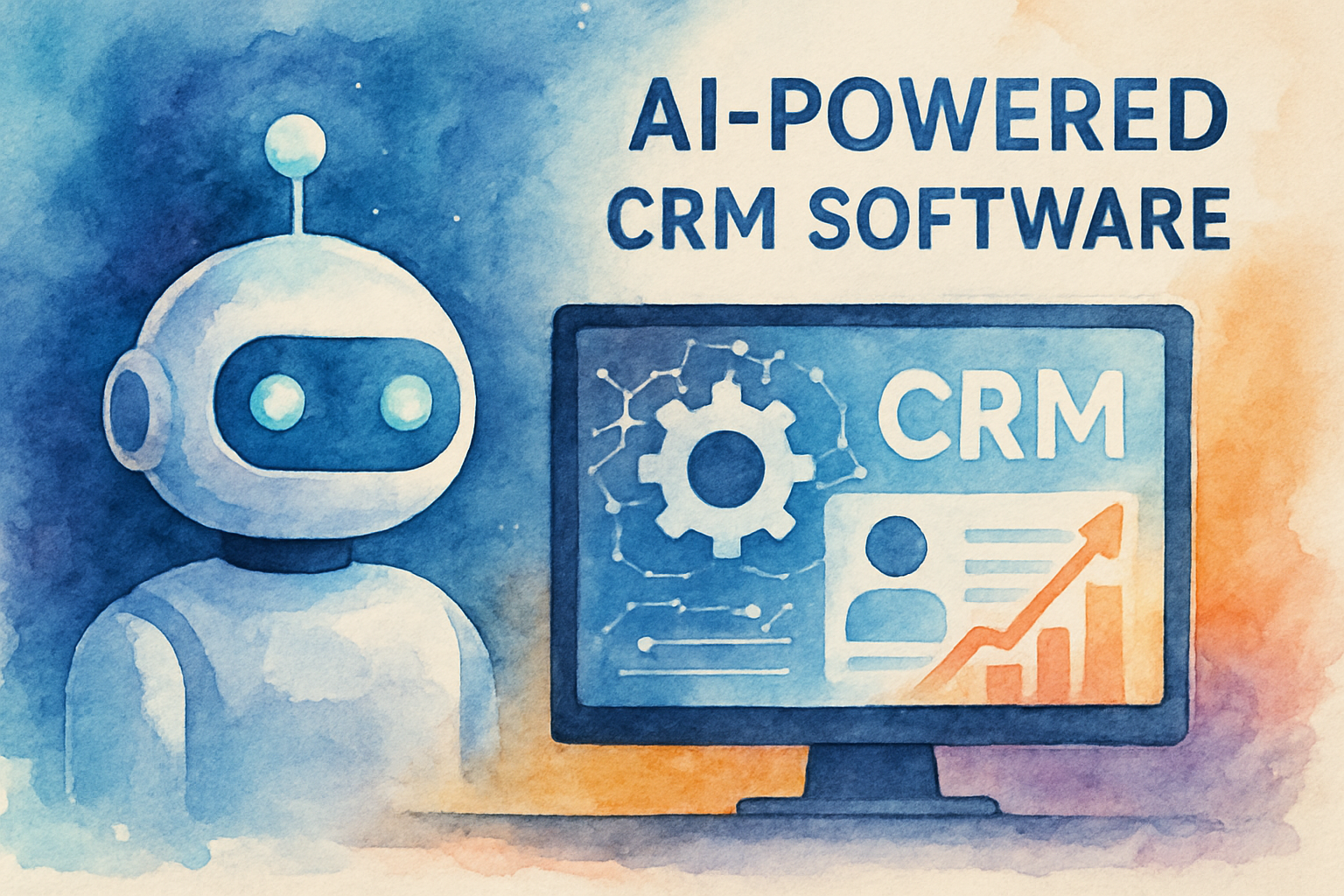
AI customer relationship management goes far beyond traditional database management. While conventional CRM systems store customer information and track interactions, AI-enhanced platforms actively learn from data, identify patterns, and make intelligent recommendations.
The key differentiator lies in automation and intelligence. AI-powered CRM systems can automatically score leads, predict customer churn, recommend next-best actions, and personalize communications at scale—tasks that would require countless hours of manual work with traditional systems.
The Current State of AI in CRM Technology
The CRM market has experienced explosive growth in AI adoption. Research from Grand View Research indicates that the global AI in CRM market size was valued at $2.5 billion in 2023 and is expected to grow at a compound annual growth rate of 14.2% through 2030.
Major CRM platforms like Salesforce Einstein, HubSpot AI, and Microsoft Dynamics 365 AI have integrated sophisticated artificial intelligence capabilities. These tools now offer features like sentiment analysis, conversational AI, automated data entry, and intelligent forecasting as standard offerings.
Small and medium-sized businesses are also benefiting from this technology. Cloud-based AI CRM solutions have democratized access to enterprise-level capabilities, making advanced customer relationship management tools affordable and accessible to companies of all sizes.
Seven Transformative Ways AI Enhances Customer Relationships
1. Predictive Lead Scoring and Qualification
AI customer relationship management systems excel at identifying which prospects are most likely to convert. By analyzing hundreds of data points—including demographic information, behavioral patterns, engagement history, and external signals—AI algorithms can accurately predict lead quality and conversion probability.
This capability allows sales teams to prioritize their efforts effectively. Instead of wasting time on cold leads, representatives can focus on high-potential prospects who are ready to buy. Companies using AI-powered lead scoring report up to 50% more sales-ready leads and a 30% increase in conversion rates.
2. Hyper-Personalized Customer Experiences
Generic, one-size-fits-all marketing is dead. Today’s customers expect personalized experiences tailored to their specific needs, preferences, and behaviors. AI makes this level of personalization possible at scale.
Machine learning algorithms analyze customer data to create detailed behavioral profiles. These insights enable businesses to deliver personalized product recommendations, customized content, and targeted offers that resonate with individual customers. Amazon’s recommendation engine, powered by AI, reportedly drives 35% of the company’s total sales.
3. Intelligent Chatbots and Virtual Assistants
AI-powered chatbots have revolutionized customer service by providing instant, 24/7 support. These virtual assistants can handle routine inquiries, schedule appointments, process orders, and resolve common issues without human intervention.
Modern chatbots use natural language processing to understand context and intent, enabling more natural conversations. When complex issues arise, they seamlessly transfer customers to human agents along with complete conversation history. This hybrid approach reduces response times by up to 90% while maintaining high customer satisfaction scores.
4. Automated Data Entry and Management
Sales representatives spend an average of 17% of their time on data entry—time that could be better spent building relationships and closing deals. AI customer relationship management systems automate this tedious task by capturing information from emails, calls, meetings, and other interactions.
Natural language processing extracts relevant details from conversations and automatically updates customer records. This automation ensures data accuracy, eliminates duplicate entries, and keeps information current without manual effort. The result is cleaner data and more productive sales teams.
Acquiring new customers costs five times more than retaining existing ones. AI helps businesses identify at-risk customers before they churn by analyzing behavioral patterns, engagement metrics, and satisfaction indicators.
These predictive models flag customers showing signs of disengagement—such as decreased usage, negative sentiment, or reduced interaction frequency. Armed with these insights, companies can proactively reach out with targeted retention campaigns, special offers, or personalized support to win back wavering customers.
6. Sales Forecasting and Pipeline Management
Accurate sales forecasting is critical for resource planning, inventory management, and strategic decision-making. AI-powered CRM systems analyze historical data, current pipeline status, market trends, and external factors to generate highly accurate revenue predictions.
These intelligent forecasts help sales leaders identify potential shortfalls early, adjust strategies accordingly, and set realistic targets. Companies using AI for sales forecasting report up to 10% improvement in forecast accuracy compared to traditional methods.
7. Sentiment Analysis and Customer Insights
Understanding how customers feel about your brand, products, and services is invaluable. AI-powered sentiment analysis tools scan customer communications—including emails, social media posts, reviews, and support tickets—to gauge emotional tone and identify emerging issues.
This real-time feedback helps businesses respond quickly to negative sentiment, capitalize on positive experiences, and make data-driven improvements to products and services. Brands using sentiment analysis report 25% higher customer satisfaction scores and faster issue resolution times.
Implementing AI Customer Relationship Management: A Practical Guide
Step 1: Assess Your Current CRM Capabilities
Before implementing AI customer relationship management, evaluate your existing systems and processes. Identify pain points, bottlenecks, and areas where automation could deliver the greatest impact. Consider factors like data quality, integration requirements, and team readiness for new technology.
Conduct a thorough audit of your customer data. AI systems require clean, organized data to function effectively. Address any data quality issues, eliminate duplicates, and establish data governance policies before moving forward.
Step 2: Define Clear Objectives and Use Cases
Successful AI implementation starts with clear goals. Are you looking to improve lead conversion rates? Reduce customer churn? Enhance personalization? Increase sales productivity? Define specific, measurable objectives that align with your business priorities.
Identify 2-3 high-impact use cases to start with. Rather than trying to implement everything at once, focus on areas where AI can deliver quick wins and demonstrate clear ROI. This approach builds momentum and secures stakeholder buy-in for broader implementation.
Step 3: Choose the Right AI CRM Platform
Select a platform that matches your business needs, budget, and technical capabilities. Consider factors like ease of use, integration capabilities, scalability, and vendor support. Popular options include Salesforce Einstein, HubSpot AI, Zoho CRM with Zia, and Microsoft Dynamics 365 AI.
Many platforms offer free trials or demos. Take advantage of these opportunities to test functionality, evaluate user experience, and ensure the solution meets your requirements before committing.
Step 4: Prepare Your Team for AI Adoption
Technology alone doesn’t guarantee success—people do. Invest in comprehensive training to help your team understand AI capabilities, overcome resistance to change, and develop new workflows that leverage automation effectively.
Create champions within your organization who can advocate for AI adoption, provide peer support, and share best practices. Address concerns about job displacement by emphasizing how AI augments human capabilities rather than replacing them.
Step 5: Start Small and Scale Gradually
Begin with a pilot program involving a small team or specific use case. Monitor results closely, gather feedback, and refine your approach based on real-world experience. This iterative approach minimizes risk and allows you to optimize before full-scale deployment.
As you demonstrate success, gradually expand AI customer relationship management capabilities across additional teams, departments, and use cases. Continuous improvement and adaptation are key to long-term success.
Step 6: Monitor Performance and Optimize Continuously
Establish key performance indicators to measure AI impact on your business objectives. Track metrics like conversion rates, customer satisfaction scores, sales cycle length, and revenue growth. Use these insights to identify optimization opportunities and refine your AI strategies.
AI systems improve over time as they process more data and learn from outcomes. Regularly review algorithm performance, update training data, and adjust parameters to maintain accuracy and relevance.
Overcoming Common AI CRM Implementation Challenges
Challenge 1: Data Quality and Integration Issues
Poor data quality is the most common obstacle to successful AI implementation. Incomplete records, duplicate entries, and inconsistent formatting undermine AI accuracy and effectiveness.
Solution: Implement robust data governance policies, invest in data cleansing tools, and establish clear standards for data entry and maintenance. Use AI-powered data enrichment services to fill gaps and enhance existing records. Ensure seamless integration between your CRM and other business systems to create a unified data ecosystem.
Challenge 2: User Adoption and Change Resistance
Employees may resist AI adoption due to fear of job loss, skepticism about technology, or comfort with existing processes. Low adoption rates can sabotage even the best AI customer relationship management implementations.
Solution: Communicate the benefits clearly, emphasizing how AI eliminates tedious tasks and enables employees to focus on high-value activities. Involve users in the selection and implementation process to build ownership. Provide comprehensive training and ongoing support to build confidence and competence.
Challenge 3: Privacy and Security Concerns
AI systems process vast amounts of sensitive customer data, raising legitimate concerns about privacy, security, and regulatory compliance. Data breaches or misuse can damage customer trust and result in significant legal consequences.
Solution: Choose vendors with strong security credentials and compliance certifications. Implement encryption, access controls, and audit trails to protect customer data. Ensure your AI customer relationship management practices comply with regulations like GDPR, CCPA, and industry-specific requirements. Be transparent with customers about how their data is used.
Challenge 4: Cost and ROI Justification
AI CRM implementations require significant investment in technology, training, and change management. Securing budget approval can be challenging without clear ROI projections.
Solution: Build a comprehensive business case that quantifies expected benefits in terms of increased revenue, cost savings, and productivity gains. Start with pilot projects that demonstrate quick wins and measurable results. Use these successes to justify broader investment and expansion.
Conclusion: Embrace the AI Revolution in Customer Relationships
Companies that embrace AI-powered CRM gain significant competitive advantages. They respond faster to customer needs, deliver more personalized experiences, make better-informed decisions, and operate more efficiently. The data is clear: businesses using AI customer relationship management report higher conversion rates, improved customer satisfaction, and accelerated revenue growth.
The journey to AI-enhanced customer relationships doesn’t require massive budgets or technical expertise. By starting small, focusing on high-impact use cases, and scaling gradually, businesses of all sizes can harness the power of artificial intelligence to transform their customer relationships and boost sales.
The question isn’t whether to adopt AI customer relationship management—it’s how quickly you can implement it to stay competitive in an increasingly AI-driven marketplace. The tools are available, the benefits are proven, and the time to act is now.
Ready to transform your customer relationships with AI? The Crunch specializes in helping businesses implement cutting-edge AI customer relationship management solutions tailored to your unique needs. Our team of experts will guide you through every step of the journey, from strategy development to implementation and optimization. Schedule your free consultation today and discover how AI can revolutionize your customer relationships and accelerate your sales growth.
Frequently Asked Questions (FAQ)
1. What is AI customer relationship management (AI CRM)?
2. How does AI improve traditional CRM systems?
3. What are the main benefits of using AI in CRM?
4. How do I get started with AI CRM for my business?
5. How does AI CRM compare to traditional CRM?
6. What features should I look for in an AI CRM platform?
7. How much does AI CRM cost?
8. Is AI CRM secure and compliant with data privacy regulations?
9. Can AI CRM integrate with my existing business tools?
10. What are common challenges when implementing AI CRM?
11. Will AI CRM replace human customer service agents?
12. How can AI CRM help personalize customer experiences?