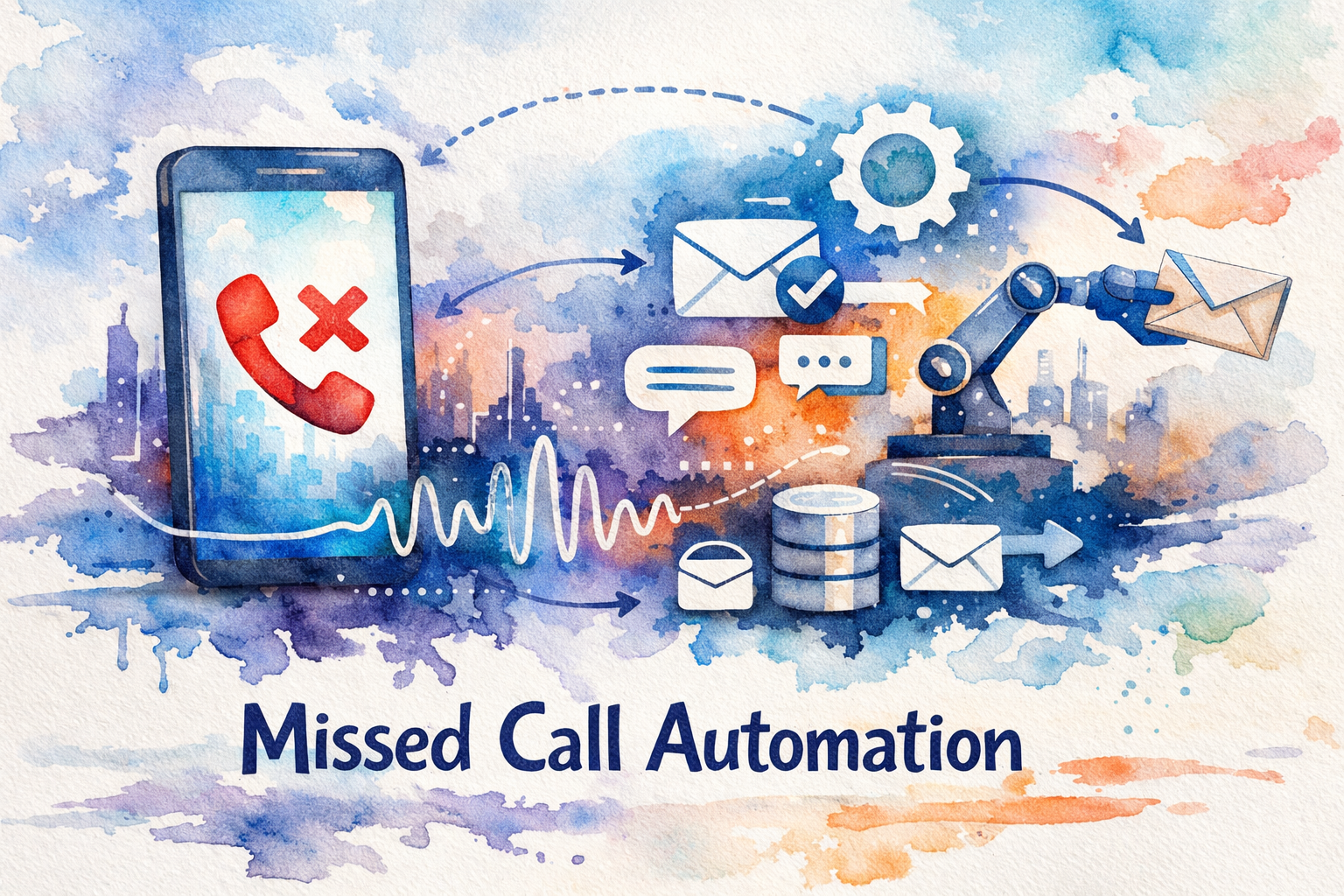
Picture this: It’s 2 AM, and a tenant’s heating system has failed during a winter storm. In the past, this would mean frantic phone calls, emergency callouts, and a mountain of paperwork. Today, AI for property management handles the entire process—from receiving the complaint to dispatching the right contractor—whilst you sleep soundly.
The property management industry is experiencing a technological revolution. Property managers juggle countless responsibilities: tenant communications, maintenance requests, rent collection, compliance tracking, and financial reporting. The traditional approach is time-consuming, error-prone, and increasingly unsustainable as portfolios grow. This is where artificial intelligence steps in, transforming how properties are managed from the ground up.
Quick Answers
What is AI for property management? AI for property management refers to artificial intelligence technologies that automate and optimise various property management tasks, including tenant screening, maintenance scheduling, rent collection, and communication.
How much can AI reduce property management costs? Studies indicate that AI implementation can reduce operational costs by 20-30% whilst improving service quality and tenant satisfaction.
Is AI suitable for small property portfolios? Absolutely. Cloud-based AI solutions are scalable and affordable, making them accessible to property managers of all sizes.
In this comprehensive guide, we’ll explore seven game-changing benefits of implementing AI for property management, practical implementation strategies, and how to overcome common challenges. Whether you manage five properties or five hundred, you’ll discover how artificial intelligence can revolutionise your operations.
Understanding AI for Property Management: The Foundation
Artificial intelligence in property management encompasses a range of technologies designed to automate, optimise, and enhance property operations. At its core, AI for property management uses machine learning algorithms, natural language processing, and predictive analytics to handle tasks that traditionally required significant human intervention.
The technology isn’t about replacing property managers—it’s about augmenting their capabilities. AI systems can process vast amounts of data in seconds, identify patterns humans might miss, and make data-driven recommendations that improve decision-making. From chatbots that handle tenant enquiries 24/7 to predictive maintenance systems that prevent costly repairs, AI is reshaping the industry landscape.
Current Market Trends and Adoption
The property management AI market is experiencing explosive growth. According to Markets and Markets, the global PropTech market, which includes AI solutions, is projected to reach $86.5 billion by 2032, growing at a compound annual growth rate of 15.8%.
Several factors are driving this adoption:
- Labour shortages: The property management industry faces significant staffing challenges, with AI helping to bridge the gap
- Tenant expectations: Modern tenants expect instant responses and digital-first experiences
- Operational efficiency: Property managers are under pressure to do more with less
- Data availability: The digitisation of property data makes AI implementation more feasible
Leading property management companies report that AI implementation has become a competitive necessity rather than a luxury. Those who adopt early gain significant advantages in efficiency, tenant satisfaction, and profitability.
Key Technologies Powering AI Solutions
Several AI technologies are particularly relevant to property management:
Machine Learning: Algorithms that learn from historical data to make predictions about maintenance needs, tenant behaviour, and market trends.
Natural Language Processing (NLP): Enables AI systems to understand and respond to tenant communications in natural language, powering chatbots and automated email responses.
Computer Vision: Analyses images and videos for property inspections, security monitoring, and damage assessment.
Predictive Analytics: Forecasts future events such as maintenance requirements, tenant turnover, and rental market fluctuations.
These technologies work together to create comprehensive AI for property management solutions that address multiple operational challenges simultaneously.
7 Game-Changing Benefits of AI for Property Management
1. Automated Tenant Communication and Support
AI-powered chatbots and virtual assistants have revolutionised tenant communication. These systems handle routine enquiries instantly, 24 hours a day, seven days a week. Tenants can report maintenance issues, ask about lease terms, or request information without waiting for office hours.
Platforms like Intercom and Drift offer sophisticated chatbot solutions that integrate with property management systems. These AI assistants can handle up to 80% of routine enquiries, freeing property managers to focus on complex issues requiring human judgement.
The impact on tenant satisfaction is substantial. Research from PwC indicates that 59% of consumers feel companies have lost touch with the human element of customer experience, yet they still want quick, efficient service. AI chatbots strike this balance perfectly.
2. Predictive Maintenance and Cost Reduction
Perhaps the most financially impactful benefit of AI for property management is predictive maintenance. Traditional reactive maintenance is expensive—emergency repairs cost 3-5 times more than planned maintenance, according to industry estimates.
AI systems analyse data from IoT sensors, maintenance histories, and environmental factors to predict when equipment will fail. This allows property managers to schedule maintenance proactively, preventing costly breakdowns and extending equipment lifespan.
For example, IBM Watson IoT can monitor HVAC systems, identifying inefficiencies and predicting failures weeks in advance. One property management company reported reducing maintenance costs by 28% and emergency callouts by 45% after implementing predictive maintenance AI.
3. Intelligent Tenant Screening and Selection
Finding reliable tenants is crucial for property success. AI for property management transforms the screening process by analysing vast amounts of data to assess applicant risk more accurately than traditional methods.
AI screening tools evaluate credit histories, rental payment records, employment stability, and even social media behaviour to create comprehensive risk profiles. These systems can process applications in minutes rather than days, reducing vacancy periods whilst improving tenant quality.
Solutions like TransUnion SmartMove use AI to provide detailed tenant screening reports. However, it’s crucial to ensure AI screening complies with fair housing regulations and doesn’t perpetuate bias—a challenge we’ll address later.
4. Dynamic Pricing Optimisation
Setting optimal rental prices is part art, part science. AI removes the guesswork by analysing market data, seasonal trends, local events, and property characteristics to recommend pricing that maximises revenue whilst minimising vacancy.
Dynamic pricing AI continuously monitors the market, adjusting recommendations as conditions change. During high-demand periods, the system might suggest premium pricing; during slower periods, it might recommend strategic discounts to maintain occupancy.
Property management companies using AI pricing tools report revenue increases of 5-15% compared to static pricing models. RealPage offers AI-powered revenue management solutions that have become industry standards for larger portfolios.
5. Automated Financial Management and Reporting
Financial management consumes significant time in property management. AI automates rent collection, expense tracking, financial reporting, and even tax preparation.
AI systems can automatically send payment reminders, process transactions, flag unusual expenses, and generate comprehensive financial reports. They can identify patterns in late payments, predict cash flow issues, and recommend interventions before problems escalate.
Platforms like AppFolio and Buildium incorporate AI features that streamline financial operations, reducing accounting time by up to 60% according to user reports.
6. Enhanced Security and Risk Management
AI-powered security systems provide sophisticated threat detection and risk management. Computer vision algorithms analyse security camera feeds in real-time, identifying suspicious behaviour, unauthorised access, or safety hazards.
These systems can distinguish between normal activity and potential threats, reducing false alarms whilst ensuring genuine security issues receive immediate attention. AI can also analyse lease agreements and compliance documents, flagging potential legal risks before they become problems.
Insurance companies are taking notice—some offer premium discounts for properties with AI security systems, recognising their effectiveness in reducing claims.
7. Data-Driven Decision Making and Market Intelligence
AI for property management transforms raw data into actionable insights. These systems analyse market trends, competitor pricing, demographic shifts, and economic indicators to inform strategic decisions.
Should you renovate or sell? Which amenities will attract premium tenants? Where should you invest next? AI provides evidence-based answers to these questions, removing emotion and guesswork from major decisions.
Property managers using AI analytics report greater confidence in their decisions and improved portfolio performance. The technology essentially provides a crystal ball—not perfect, but significantly clearer than traditional methods.
Implementing AI for Property Management: A Practical Guide
Step 1: Assess Your Current Operations
Before implementing AI, conduct a thorough assessment of your current operations. Identify pain points, time-consuming tasks, and areas where errors frequently occur. Common candidates for AI automation include:
- Tenant communication and enquiry handling
- Maintenance request processing and scheduling
- Rent collection and payment processing
- Tenant screening and application processing
- Financial reporting and bookkeeping
- Property inspections and condition monitoring
Prioritise areas where AI can deliver the quickest return on investment. For most property managers, tenant communication and maintenance management offer immediate benefits.
Step 2: Choose the Right AI Solutions
The AI for property management market offers numerous solutions, from comprehensive platforms to specialised tools. Consider these factors when selecting:
Integration capabilities: Ensure the AI solution integrates with your existing property management software. Standalone systems create data silos and reduce efficiency.
Scalability: Choose solutions that grow with your portfolio. Cloud-based platforms typically offer better scalability than on-premise systems.
User-friendliness: Complex systems require extensive training and may face resistance from staff. Prioritise intuitive interfaces.
Support and training: Evaluate the vendor’s support offerings. Implementation support and ongoing training are crucial for success.
Cost structure: Understand the total cost of ownership, including implementation, training, and ongoing subscription fees.
Step 3: Prepare Your Data
AI systems are only as good as the data they receive. Before implementation, clean and organise your property data. This includes:
- Tenant information and lease agreements
- Maintenance histories and equipment records
- Financial transactions and accounting data
- Property specifications and condition reports
- Communication logs and correspondence
Inconsistent or incomplete data will undermine AI effectiveness. Invest time in data preparation—it pays dividends throughout the AI lifecycle.
Step 4: Implement Gradually with Pilot Projects
Avoid the temptation to implement AI across your entire operation simultaneously. Start with a pilot project focusing on one or two properties or specific functions.
This approach allows you to:
- Test the technology in a controlled environment
- Identify and resolve issues before full deployment
- Build staff confidence and competence
- Demonstrate value to stakeholders
- Refine processes based on real-world feedback
Monitor the pilot closely, gathering quantitative metrics (time saved, cost reductions, error rates) and qualitative feedback (user satisfaction, tenant responses).
Step 5: Train Your Team Thoroughly
Technology implementation fails more often due to people issues than technical problems. Invest heavily in training your team on AI systems.
Address concerns openly. Some staff may fear AI will replace them. Emphasise that AI for property management augments human capabilities rather than replacing them. Show how AI handles routine tasks, freeing staff for more rewarding, strategic work.
Create champions within your team—early adopters who can support colleagues and demonstrate AI benefits through their own success.
Step 6: Monitor, Measure, and Optimise
AI implementation isn’t a one-time event—it’s an ongoing process. Establish key performance indicators (KPIs) to measure AI impact:
- Response time to tenant enquiries
- Maintenance request resolution time
- Vacancy rates and turnover costs
- Operational cost per unit
- Tenant satisfaction scores
- Staff productivity metrics
Review these metrics regularly, identifying areas for improvement. AI systems improve over time as they learn from more data, but they require ongoing optimisation to deliver maximum value.
Overcoming Common Challenges in AI Implementation
Challenge 1: Data Privacy and Security Concerns
AI for property management systems handle sensitive tenant data, raising legitimate privacy and security concerns. Data breaches can result in regulatory penalties, legal liability, and reputational damage.
Solution: Implement robust data security measures including encryption, access controls, and regular security audits. Ensure your AI vendor complies with relevant regulations such as GDPR in the UK and EU. Choose vendors with strong security credentials and transparent data handling policies.
Be transparent with tenants about how their data is used. Privacy policies should clearly explain AI usage, and tenants should have options to opt out of certain AI features where legally permissible.
Challenge 2: Integration with Legacy Systems
Many property management companies use established software systems that may not easily integrate with modern AI solutions. This creates data silos and reduces AI effectiveness.
Solution: Prioritise AI solutions with robust API capabilities and pre-built integrations with popular property management platforms. Consider middleware solutions that bridge legacy systems and modern AI tools.
In some cases, upgrading your core property management system may be necessary to fully leverage AI capabilities. Whilst this represents a larger investment, the long-term benefits typically justify the cost.
Challenge 3: Bias and Fairness in AI Decisions
AI systems can perpetuate or amplify biases present in training data, particularly in sensitive areas like tenant screening. This raises ethical concerns and potential legal liability under fair housing regulations.
Solution: Choose AI vendors committed to fairness and transparency. Request information about how algorithms are trained and tested for bias. Implement human oversight for critical decisions, particularly tenant selection and eviction recommendations.
Regularly audit AI decisions for patterns that might indicate bias. The Equality and Human Rights Commission provides guidance on ensuring AI systems comply with equality legislation.
Challenge 4: Staff Resistance and Change Management
Introducing AI for property management often meets resistance from staff comfortable with existing processes. This resistance can undermine implementation success.
Solution: Involve staff in the AI selection and implementation process from the beginning. Solicit their input on pain points and desired features. Demonstrate how AI will make their jobs easier rather than threatening their positions.
Provide comprehensive training and ongoing support. Celebrate early wins and share success stories. Consider incentivising AI adoption through performance metrics that reward effective technology use.
Challenge 5: Cost and Return on Investment Uncertainty
AI implementation requires upfront investment, and returns may not be immediately apparent. This creates hesitation, particularly for smaller property management operations.
Solution: Start small with focused pilot projects that address specific pain points. This minimises initial investment whilst demonstrating value. Many AI vendors offer flexible pricing models, including pay-as-you-grow options suitable for smaller portfolios.
Calculate total cost of ownership realistically, including implementation, training, and ongoing subscription costs. Compare this against quantifiable benefits: reduced staff time, lower maintenance costs, decreased vacancy rates, and improved tenant retention.
Most property managers report positive ROI within 12-18 months of AI implementation, with benefits accelerating as systems mature and staff proficiency increases.
The Future of AI in Property Management
AI for property management continues evolving rapidly. Emerging trends include:
Voice-activated property management: Tenants and property managers will increasingly interact with AI systems through voice commands, making technology even more accessible.
Augmented reality property tours: AI-powered AR will enable immersive virtual property viewings, reducing vacancy periods and expanding tenant pools geographically.
Blockchain integration: Combining AI with blockchain technology will create transparent, automated lease agreements and payment systems.
Sustainability optimisation: AI will play a crucial role in reducing property environmental impact, optimising energy usage, and meeting increasingly stringent sustainability regulations.
Property managers who embrace AI now position themselves advantageously for these future developments, building technological competence and data assets that will become increasingly valuable.
Conclusion: Embracing the AI Revolution in Property Management
AI for property management represents a fundamental shift in how properties are managed, not merely an incremental improvement. The seven benefits we’ve explored—automated communication, predictive maintenance, intelligent screening, dynamic pricing, financial automation, enhanced security, and data-driven decision-making—collectively transform property management from a reactive, labour-intensive operation into a proactive, efficient, and highly profitable business.
The technology is no longer experimental or prohibitively expensive. Cloud-based AI solutions are accessible to property managers of all sizes, offering scalable options that grow with your portfolio. The question isn’t whether to implement AI, but when and how.
Start your AI journey today. Assess your operations, identify quick wins, and implement pilot projects that demonstrate value. The property managers who thrive in the coming decade will be those who successfully blend human expertise with artificial intelligence, creating operations that are more efficient, more responsive, and more profitable than ever before.
The future of property management is here. Are you ready to embrace it?
Ready to Transform Your Property Management with AI?
Implementing AI for property management can seem daunting, but you don’t have to navigate this journey alone. The experts at The Crunch specialise in helping property management companies leverage AI technology to streamline operations, reduce costs, and improve tenant satisfaction.
Whether you manage a handful of properties or a large portfolio, we’ll help you identify the right AI solutions for your specific needs and guide you through implementation from start to finish.
Schedule your free consultation today at The Crunch and discover how AI can revolutionise your property management operations.
Frequently Asked Questions (FAQ)
1. What is AI in property management?
2. How can AI help automate property management tasks?
3. What are the main benefits of using AI for property management?
4. How does AI compare to traditional property management software?
5. Is AI in property management expensive?
6. What are common concerns about using AI in property management?
7. How do I get started with AI for my property management business?
8. Can AI help with tenant screening and selection?
9. Is AI secure for handling sensitive tenant and property data?
10. What types of property management tasks can AI not handle?
11. How does AI improve communication with tenants?
12. Can AI help reduce property management costs?