Sales teams are drowning in data while simultaneously starving for insights. Every day, valuable leads slip through the cracks, follow-ups get forgotten, and opportunities vanish because traditional CRM systems can’t keep pace with modern business demands.
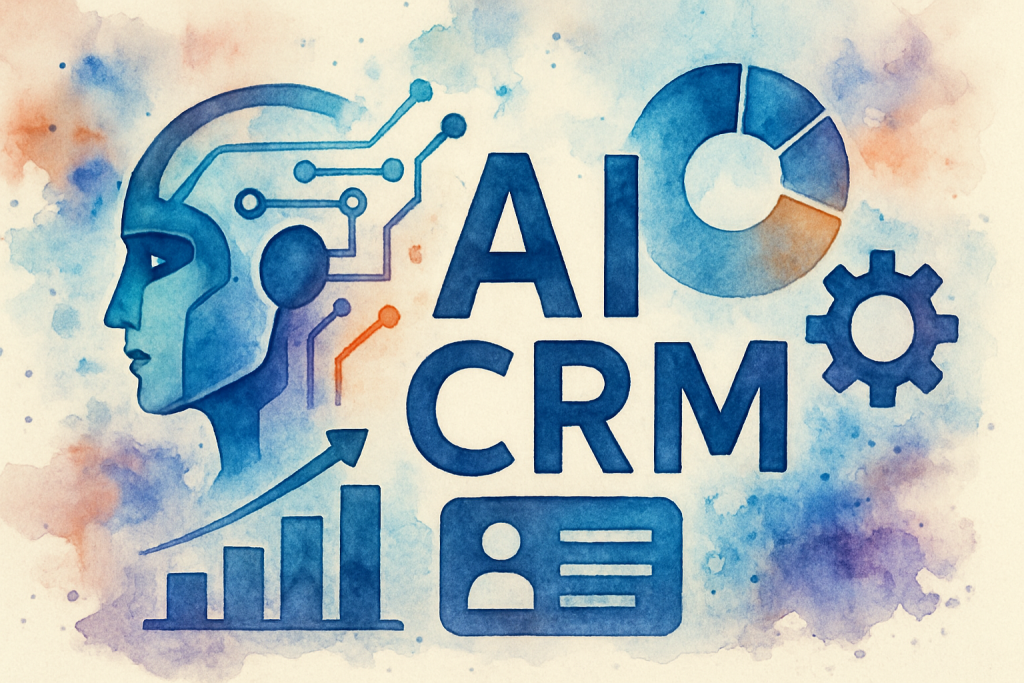
The best AI CRM tools are revolutionizing how businesses manage customer relationships by automating repetitive tasks, predicting customer behavior, and delivering actionable insights in real-time. These intelligent platforms don’t just store contact information—they actively help your team close more deals, nurture relationships, and maximize revenue.
In this comprehensive guide, we’ll explore the seven best AI CRM tools that are transforming sales operations in 2026. You’ll discover their unique features, pricing structures, ideal use cases, and how they can specifically benefit your business. Whether you’re a startup looking for your first CRM or an enterprise seeking to upgrade your existing system, this article will help you make an informed decision.
Understanding AI-Powered CRM Technology
Artificial intelligence has fundamentally changed what customer relationship management systems can accomplish. Unlike traditional CRMs that function primarily as digital filing cabinets, AI-powered platforms actively participate in your sales process.
What Makes AI CRM Tools Different
The best AI CRM tools leverage machine learning algorithms to analyze patterns in customer data, predict outcomes, and recommend actions. These systems learn from every interaction, continuously improving their accuracy and usefulness over time.
According to Salesforce’s State of Sales report, 83% of sales professionals using AI say it helps them spend more time selling. The technology handles data entry, schedules meetings, prioritizes leads, and even drafts personalized emails—tasks that previously consumed hours of valuable selling time.
Key AI Capabilities in Modern CRMs
Today’s intelligent CRM platforms incorporate several advanced capabilities. Predictive lead scoring uses historical data to identify which prospects are most likely to convert. Natural language processing enables voice commands and automated note-taking during calls. Sentiment analysis evaluates customer communications to detect satisfaction levels and potential churn risks.
These AI-driven features don’t replace human judgment—they enhance it. Sales representatives receive data-backed recommendations while maintaining full control over final decisions. The result is a powerful partnership between human intuition and machine intelligence.
The ROI of AI CRM Implementation
Businesses implementing AI CRM solutions report significant returns on investment. Research from Nucleus Research indicates that CRM systems deliver an average return of $8.71 for every dollar spent, with AI-enhanced platforms showing even higher returns through improved efficiency and conversion rates.
Companies using these tools experience 29% faster sales cycles, 34% improvement in sales forecast accuracy, and 42% increase in lead conversion rates. These aren’t marginal gains—they’re transformative improvements that directly impact bottom-line revenue.
The 7 Best AI CRM Tools for 2026
1. Salesforce Einstein
Salesforce Einstein integrates artificial intelligence directly into the world’s most popular CRM platform. This powerhouse solution offers predictive lead scoring, automated activity capture, and intelligent opportunity insights that help sales teams focus on high-value activities.
Einstein’s standout feature is its ability to surface relevant information at precisely the right moment. When a sales rep opens an account, Einstein automatically displays recent news about the company, upcoming contract renewals, and recommended next steps based on similar successful deals.
Best for: Enterprise organisations and mid-sized businesses already using Salesforce or seeking a comprehensive, scalable solution.
Pricing: Starts at $25 per user/month for basic AI features, with advanced capabilities available in higher-tier plans.
Learn more about Salesforce Einstein
2. HubSpot CRM with AI
HubSpot has emerged as one of the best AI CRM tools for businesses prioritising ease of use without sacrificing power. The platform’s AI assistant helps with content creation, email personalisation, and conversation intelligence that analyses sales calls for coaching opportunities.
What sets HubSpot apart is its generous free tier, which includes basic AI features and allows unlimited users. This makes it an excellent entry point for startups and small businesses exploring AI-powered customer relationship management.
The platform’s ChatSpot feature uses conversational AI to let users query their CRM data using natural language. Instead of building complex reports, sales managers can simply ask “Which deals are at risk this quarter?” and receive instant answers.
Best for: Small to medium-sized businesses, startups, and companies wanting an all-in-one marketing and sales platform.
Pricing: Free tier available; paid plans start at $45 per month with advanced AI features in Professional and Enterprise tiers.
3. GoHighLevel
GoHighLevel (GHL) is rapidly becoming a favourite amongst marketing agencies and businesses seeking an all-in-one CRM and marketing automation platform. Built specifically for agencies, GHL combines CRM functionality with funnel building, email marketing, SMS campaigns, and appointment scheduling—all enhanced by AI capabilities.
What makes GoHighLevel particularly powerful is its AI-powered conversation tools and workflow automation. The platform’s AI can handle initial customer enquiries, qualify leads automatically, and even book appointments without human intervention. Its unified inbox consolidates communications from multiple channels, whilst AI assists in crafting responses and managing follow-ups.
GHL’s white-label capabilities allow agencies to resell the platform under their own brand, making it an excellent choice for businesses looking to offer CRM solutions to their clients whilst maintaining their own identity.
Best for: Marketing agencies, consultancies, and businesses wanting a comprehensive, white-label platform with robust automation and AI features.
Pricing: Starts at $97 per month for the Agency Starter plan, with unlimited contacts and advanced AI features included.
4. Pipedrive with AI Sales Assistant
Pipedrive focuses on visual pipeline management enhanced by artificial intelligence. Its AI Sales Assistant monitors your sales activities and provides personalised tips to improve performance, such as identifying deals that need attention or suggesting optimal contact times.
The platform excels at automation, with AI-powered workflows that trigger actions based on customer behaviour. When a prospect opens an email multiple times, Pipedrive can automatically notify the sales rep and suggest scheduling a call whilst interest is high.
Best for: Sales-focused teams that want visual pipeline management with intelligent automation.
Pricing: Plans start at $14 per user/month, with AI features available in higher tiers starting at $34 per user/month.
5. Zoho CRM with Zia AI
Zoho’s Zia is an AI assistant that brings conversational intelligence to customer relationship management. Zia can predict sales trends, detect anomalies in your data, recommend the best times to contact leads, and even automate routine tasks through voice commands.
One of Zia’s most impressive features is its ability to analyse email sentiment and alert sales reps when customer communications indicate dissatisfaction or urgency. This early warning system helps teams address issues before they escalate.
Best for: Budget-conscious businesses seeking powerful AI capabilities at competitive prices.
Pricing: Starts at $14 per user/month, with AI features included in Standard tier and above.
6. Microsoft Dynamics 365 Sales
Microsoft’s AI-powered CRM integrates seamlessly with the Office 365 ecosystem, making it ideal for organisations already invested in Microsoft products. The platform’s relationship intelligence analyses email and calendar data to provide insights about customer engagement and relationship health.
Dynamics 365 uses AI to generate conversation starters based on recent news and social media activity related to prospects. This helps sales reps personalise their outreach and demonstrate genuine interest in their customers’ businesses.
Best for: Enterprises using Microsoft 365 and organisations requiring deep integration with other Microsoft business applications.
Pricing: Starts at $65 per user/month for Sales Professional, with AI capabilities expanding in higher tiers.
Learn more about Microsoft Dynamics 365 Sales
7. Freshsales (Freshworks CRM)
Freshsales combines AI-powered lead scoring with intelligent workflow automation and built-in phone and email capabilities. Its Freddy AI assistant predicts deal outcomes, identifies the best leads to pursue, and recommends optimal next actions for each opportunity.
The platform’s AI-based contact scoring continuously evaluates leads based on their behaviour, engagement level, and fit with your ideal customer profile. This ensures sales teams always focus their energy on the most promising opportunities.
Best for: Growing businesses that need an intuitive, feature-rich CRM with strong AI capabilities at mid-market pricing.
Pricing: Free tier available; paid plans start at $15 per user/month with AI features in Growth tier and above.
Implementing AI CRM Tools Successfully
Selecting the right platform is only the first step. Successful implementation requires careful planning, proper training, and ongoing optimization to maximize your investment.
Step 1: Assess Your Current Sales Process
Before implementing any of the best AI CRM tools, document your existing sales workflow. Identify bottlenecks, repetitive tasks, and areas where deals commonly stall. This assessment helps you understand which AI features will deliver the most value for your specific situation.
Interview your sales team to understand their daily challenges. What tasks consume the most time? Where do leads typically fall through the cracks? Which information do they wish they had at their fingertips during customer conversations?
Step 2: Define Clear Success Metrics
Establish measurable goals for your AI CRM implementation. These might include reducing time spent on data entry by 50%, improving lead response time to under 5 minutes, or increasing conversion rates by 25%.
Track baseline metrics before implementation so you can accurately measure improvement. Common KPIs include sales cycle length, win rate, average deal size, forecast accuracy, and sales rep productivity.
Step 3: Start with Core Features
Don’t try to activate every AI feature on day one. Begin with fundamental capabilities like automated data capture and basic lead scoring. Once your team is comfortable with these features, gradually introduce more advanced functionality.
This phased approach prevents overwhelm and allows your team to build confidence with the technology. It also gives you time to refine configurations based on real-world usage before adding complexity.
Step 4: Invest in Comprehensive Training
The most sophisticated AI CRM tools deliver no value if your team doesn’t know how to use them effectively. Provide hands-on training that goes beyond basic navigation to cover strategic use of AI features.
Step 5: Clean and Organize Your Data
AI systems are only as good as the data they analyze. Before migration, clean your existing customer data by removing duplicates, standardizing formats, and filling in missing information.
Establish data quality standards and governance policies to maintain accuracy over time. Assign responsibility for data hygiene and schedule regular audits to catch issues before they compromise AI accuracy.
Step 6: Monitor, Measure, and Optimize
After implementation, continuously monitor system performance against your success metrics. Review AI recommendations to ensure they align with business objectives and adjust scoring models based on actual outcomes.
Schedule monthly reviews to identify optimization opportunities. Which AI features are your team using most? Which are being ignored? What additional training or configuration changes might improve adoption and results?
Overcoming Common AI CRM Challenges
While the best AI CRM tools offer tremendous benefits, implementation isn’t without obstacles. Understanding common challenges and their solutions helps ensure a smooth transition.
Challenge 1: User Adoption Resistance
Sales professionals often resist new technology, especially when they’re comfortable with existing processes. They may view AI as threatening their jobs or doubt its accuracy.
Solution: Frame AI as a tool that enhances rather than replaces human expertise. Demonstrate quick wins early in implementation—show how AI saves time on administrative tasks, allowing more time for actual selling. Identify champions within your sales team who can advocate for the system and help colleagues overcome skepticism.
Challenge 2: Data Privacy and Security Concerns
AI CRM systems process sensitive customer information, raising legitimate concerns about data security and regulatory compliance, particularly with regulations like GDPR and CCPA.
Solution: Choose vendors with robust security certifications and clear data handling policies. Implement role-based access controls to limit data exposure. Conduct regular security audits and ensure your AI CRM configuration complies with relevant regulations in your industry and geography.
Challenge 3: Integration with Existing Systems
Most businesses use multiple software tools that need to communicate with their CRM. Poor integration creates data silos and forces manual data transfer between systems.
Solution: Prioritize AI CRM platforms with extensive integration capabilities and robust APIs. Map out all necessary integrations before selection and verify that your chosen platform supports them. Consider using integration platforms like Zapier or Make to connect systems that don’t offer native integration.
Challenge 4: AI Accuracy and Trust Issues
When AI recommendations prove inaccurate, users quickly lose trust in the system and revert to manual processes. This undermines the entire investment in AI CRM technology.
Solution: Set realistic expectations about AI capabilities from the start. Explain that AI improves over time as it learns from more data. Regularly review and refine AI models based on actual outcomes. Create feedback loops where sales reps can report inaccurate predictions, helping the system learn and improve.
Challenge 5: Cost Justification
The best AI CRM tools often carry higher price tags than basic CRM systems, making budget approval challenging, especially for smaller organizations.
Solution: Build a comprehensive ROI analysis that quantifies time savings, productivity improvements, and revenue impact. Calculate the cost of your current process, including time spent on manual tasks that AI would automate. Present implementation as an investment in competitive advantage rather than just a software expense.
Conclusion
The best AI CRM tools are no longer futuristic concepts—they’re essential business infrastructure for companies serious about sales growth in 2026. These intelligent platforms transform customer relationship management from a passive database into an active sales partner that predicts opportunities, automates busywork, and delivers insights that drive revenue.
Whether you choose Salesforce Einstein’s enterprise power, HubSpot’s user-friendly approach, or any of the other excellent options we’ve explored, the key is selecting a platform that aligns with your business size, budget, and specific needs. Remember that successful implementation requires more than just purchasing software—it demands thoughtful planning, comprehensive training, and ongoing optimization.
The competitive advantage goes to organizations that embrace AI CRM technology now, not those who wait until their competitors have already captured market share. Start by assessing your current sales process, identifying your biggest pain points, and evaluating which AI features would deliver the most immediate value.
Ready to transform your sales process with AI-powered customer relationship management? The experts at The Crunch can help you select, implement, and optimize the perfect AI CRM solution for your business. Schedule your free consultation today and discover how the best AI CRM tools can skyrocket your sales in 2026 and beyond.
Frequently Asked Questions (FAQ)
1. What is an AI CRM tool?
2. How do AI CRM tools work?
3. What are the main benefits of using an AI CRM tool?
4. How do I choose the best AI CRM tool for my business?
5. How much do AI CRM tools typically cost?
6. What features should I look for in an AI CRM tool?
7. How do AI CRM tools compare to traditional CRM systems?
8. Are AI CRM tools secure and compliant with data privacy regulations?
9. Can AI CRM tools integrate with other business software?
10. What are common concerns when adopting an AI CRM tool?
11. How can I get started with an AI CRM tool?
12. Do AI CRM tools require technical expertise to use?