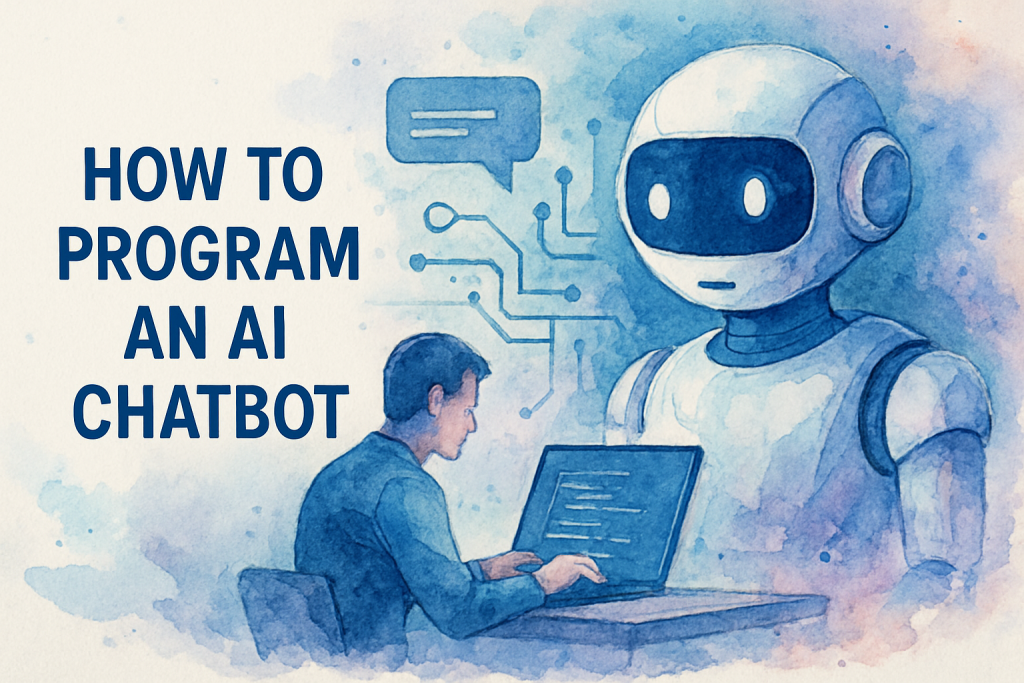
How to Program an AI Chatbot: The All-Time Game-Changing Tricks 99% Developers Ignore
In today’s fast-paced digital landscape, businesses are constantly seeking innovative ways to enhance customer engagement and streamline operations. One technology that has gained significant traction is AI chatbots. These intelligent virtual assistants are revolutionizing the way companies interact with their customers, providing 24/7 support and personalized experiences. But how exactly do you go about programming an AI chatbot for your business? This comprehensive guide will walk you through the process, step by step, ensuring you have all the knowledge needed to implement this powerful tool.
Understanding How to Program an AI Chatbot: The Basics
Before diving into the programming process, it’s crucial to understand what AI chatbots are and why they’re becoming increasingly important for businesses across various industries.
What is an AI Chatbot?
An AI chatbot is a computer program designed to simulate human conversation through text or voice interactions. Unlike traditional chatbots that operate on pre-programmed responses, AI chatbots use machine learning and natural language processing (NLP) to understand and respond to user queries more intelligently and contextually.
The Growing Importance of AI Chatbots
According to a study by Juniper Research, chatbots are expected to save businesses $8 billion annually by 2022. This staggering figure highlights the immense potential of AI chatbots in improving operational efficiency and customer satisfaction. As more companies recognize the benefits, learning how to program an AI chatbot has become a valuable skill for business owners and marketing managers alike.
Benefits of Implementing AI Chatbots
Understanding the advantages of AI chatbots can help you make a compelling case for their implementation in your business strategy. Here are some key benefits:
1. 24/7 Customer Support
AI chatbots can provide round-the-clock support to your customers, answering queries and resolving issues even outside of regular business hours. This constant availability can significantly improve customer satisfaction and loyalty.
2. Cost-Effective Operations
By automating routine inquiries and tasks, AI chatbots can help reduce the workload on your human customer service team, allowing them to focus on more complex issues. This efficiency can lead to substantial cost savings in the long run.
3. Personalised Customer Experiences
Advanced AI chatbots can analyse user data and behaviour to provide tailored recommendations and responses, enhancing the overall customer experience and potentially boosting sales.
4. Scalability
Unlike human agents, AI chatbots can handle multiple conversations simultaneously without compromising on quality or response time. This scalability is particularly beneficial during peak periods or as your business grows.
How to Program an AI Chatbot: A Step-by-Step Guide
Now that we’ve established the importance and benefits of AI chatbots, let’s delve into the process of programming one for your business.
Step 1: Define Your Chatbot’s Purpose
Before you start programming, it’s essential to clearly define the purpose of your AI chatbot. Ask yourself:
- What specific problems will it solve for your customers?
- Which areas of your business will it support?
- What are your key performance indicators (KPIs) for the chatbot?
Having a clear vision will guide your development process and help you create a more effective chatbot.
Step 2: Choose Your Development Platform
There are numerous platforms available for programming AI chatbots, each with its own strengths and limitations. Some popular options include:
- Dialogflow (by Google)
- IBM Watson
- Microsoft Bot Framework
- Amazon Lex
Research these platforms to determine which one best suits your needs and technical expertise.
Step 3: Design Your Chatbot’s Conversation Flow
Map out the conversation flow your chatbot will follow. This involves:
- Identifying common user queries and intents
- Creating appropriate responses for each intent
- Designing a logical flow between different topics
- Planning for error handling and fallback responses
A well-designed conversation flow is crucial for ensuring a smooth and natural interaction between the user and your AI chatbot.
Step 4: Develop Your Chatbot’s Natural Language Processing (NLP) Capabilities
NLP is what allows your chatbot to understand and interpret human language. To enhance your chatbot’s NLP capabilities:
- Train your chatbot with a diverse set of sample phrases for each intent
- Implement entity recognition to extract key information from user inputs
- Use machine learning algorithms to improve understanding over time
Step 5: Integrate with Relevant Systems
For your AI chatbot to be truly effective, it needs to integrate with your existing systems and databases. This may include:
- Customer Relationship Management (CRM) software
- E-commerce platforms
- Knowledge bases
- Analytics tools
Proper integration ensures that your chatbot can access the necessary information to provide accurate and helpful responses.
Step 6: Test and Refine
Before launching your AI chatbot, thorough testing is crucial. This involves:
- Conducting user acceptance testing (UAT)
- Analysing chatbot performance metrics
- Gathering feedback from beta testers
- Refining responses and conversation flows based on results
Remember, programming an AI chatbot is an iterative process. Continuous testing and refinement are key to improving its performance over time.
Overcoming Common Challenges in How to Program an AI Chatbot
While learning how to program an AI chatbot can be an exciting journey, it’s not without its challenges. Here are some common obstacles you might face and how to overcome them:
1. Handling Complex Queries
Challenge: AI chatbots may struggle with multi-layered or complex queries.
Solution: Implement context awareness and memory capabilities in your chatbot. This allows it to remember previous parts of the conversation and provide more accurate responses to complex queries.
2. Maintaining a Natural Conversation Flow
Challenge: Ensuring the chatbot’s responses feel natural and human-like.
Solution: Invest time in crafting varied responses and use natural language generation techniques. Also, consider implementing sentiment analysis to help the chatbot adjust its tone based on the user’s emotional state.
3. Dealing with Ambiguity
Challenge: Users may provide vague or ambiguous inputs that the chatbot struggles to interpret.
Solution: Program your chatbot to ask clarifying questions when it encounters ambiguity. This not only helps the chatbot provide more accurate responses but also makes the conversation feel more natural.
Conclusion
Learning how to program an AI chatbot can significantly enhance your business’s customer service capabilities and operational efficiency. By following this step-by-step guide, you’ll be well on your way to creating a powerful AI assistant that can engage with your customers 24/7, provide personalised experiences, and streamline your operations.
Remember, the key to success lies in clearly defining your chatbot’s purpose, choosing the right development platform, designing intuitive conversation flows, and continuously refining based on user feedback and performance metrics.
Are you ready to take your business to the next level with AI chatbot technology? Don’t navigate this complex landscape alone. Contact The Crunch today to schedule a free consultation and discover how we can help you implement a cutting-edge AI chatbot solution tailored to your unique business needs. Get started now!