Integrate AI Chatbot to Your Marketing Automation: Skyrocket Your Lead Generation in 10 Years
In today’s fast-paced digital landscape, businesses are constantly seeking innovative ways to attract and convert potential customers. Enter the game-changing world of lead generation AI chatbots – a powerful tool that’s revolutionizing the way companies interact with their audience and generate qualified leads.
Imagine having a tireless, intelligent assistant working 24/7 to engage visitors, answer questions, and nurture leads through your sales funnel. That’s the promise of AI-powered chatbots, and it’s no longer a futuristic concept but a present-day reality for forward-thinking marketers.
In this comprehensive guide, we’ll explore how lead generation AI chatbots are transforming marketing automation, boosting conversion rates, and providing unparalleled customer experiences. We’ll dive into the benefits, implementation strategies, and best practices to help you harness the full potential of this cutting-edge technology.
Are you ready to supercharge your lead generation efforts and stay ahead of the competition? Let’s embark on this exciting journey into the future of marketing automation!
1. Understanding Lead Generation AI Chatbots: A Game-Changer in Marketing
Before we delve into the transformative power of lead generation AI chatbots, let’s establish a clear understanding of what they are and why they’re causing such a stir in the marketing world.
1.1 Defining Lead Generation AI Chatbots
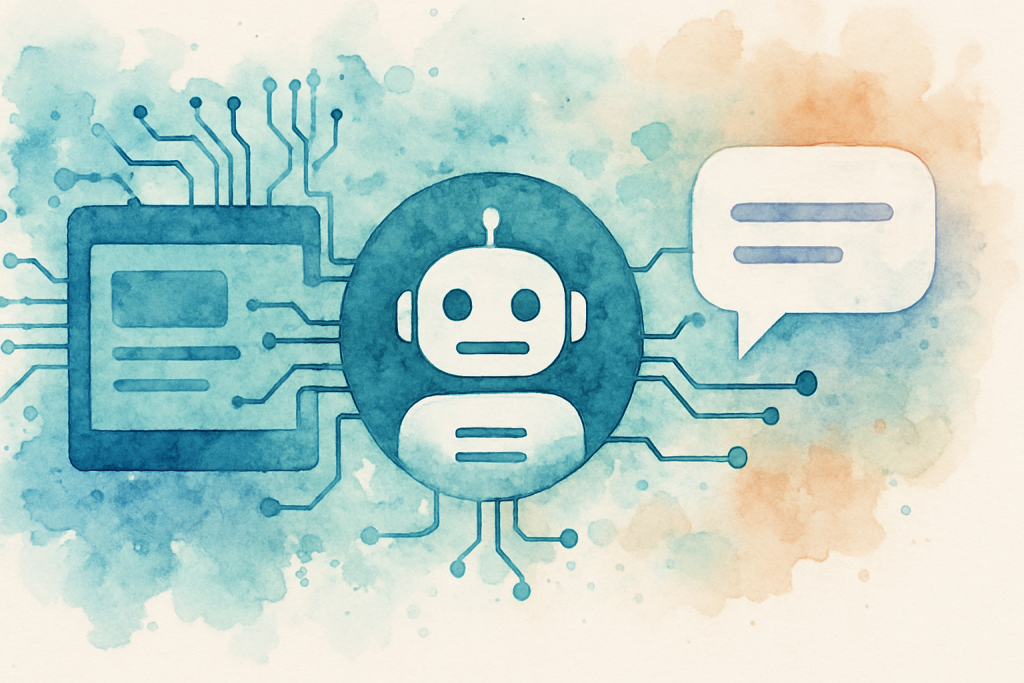
Lead generation AI chatbots are sophisticated software applications powered by artificial intelligence and machine learning algorithms. These intelligent virtual assistants are designed to engage website visitors in real-time conversations, answer queries, collect valuable information, and guide potential customers through the sales funnel.
Unlike traditional chatbots that rely on pre-programmed responses, AI-powered chatbots can understand context, learn from interactions, and provide personalized experiences that feel remarkably human-like.
1.2 The Rising Trend of AI Chatbots in Marketing
The adoption of AI chatbots for lead generation has been skyrocketing in recent years. According to a report by Grand View Research, the global chatbot market is expected to reach $1.25 billion by 2025, with a compound annual growth rate (CAGR) of 24.3%.
This surge in popularity is driven by several factors:
- Increased demand for 24/7 customer support
- The need for personalized customer experiences at scale
- Advancements in natural language processing (NLP) technology
- The growing importance of conversational marketing
1.3 How AI Chatbots are Reshaping Lead Generation
Lead generation AI chatbots are fundamentally changing the way businesses attract, engage, and convert potential customers. By leveraging artificial intelligence, these chatbots can:
- Qualify leads more efficiently
- Provide instant, personalized responses to customer inquiries
- Gather valuable data for lead scoring and segmentation
- Nurture leads through automated, context-aware conversations
- Seamlessly hand off qualified leads to human sales representatives
As we continue to explore the world of lead generation AI chatbots, you’ll discover how this technology can revolutionize your marketing efforts and drive unprecedented growth for your business.
2. The Benefits of Implementing Lead Generation AI Chatbots
Now that we’ve established what lead generation AI chatbots are, let’s dive into the numerous advantages they offer to businesses looking to optimize their marketing strategies.
2.1 24/7 Availability and Instant Response
One of the most significant benefits of AI chatbots is their ability to provide round-the-clock service. Unlike human agents, chatbots never sleep, take breaks, or go on vacation. This means:
- Potential leads can engage with your brand at any time, from anywhere
- Instant responses reduce the risk of losing leads to competitors
- Improved customer satisfaction through immediate assistance
2.2 Scalability and Cost-Efficiency
Lead generation AI chatbots offer unparalleled scalability, allowing businesses to handle a high volume of interactions simultaneously without the need for additional human resources. This results in:
- Significant cost savings on customer support and sales personnel
- The ability to handle sudden spikes in website traffic or inquiries
- Consistent quality of service across all interactions
2.3 Personalized User Experiences
AI-powered chatbots can analyze user data and behavior to deliver highly personalized experiences. This level of customization leads to:
- Increased engagement and conversion rates
- Improved customer satisfaction and loyalty
- More effective lead nurturing through tailored content and recommendations
2.4 Data Collection and Analysis
Lead generation AI chatbots are excellent tools for gathering valuable customer data. They can:
- Collect and analyze user preferences, pain points, and behavior patterns
- Provide insights for refining marketing strategies and product offerings
- Assist in creating more accurate buyer personas
2.5 Streamlined Lead Qualification
By asking the right questions and analyzing user responses, AI chatbots can efficiently qualify leads, resulting in:
- Higher quality leads passed on to the sales team
- Reduced time spent on unqualified prospects
- Improved conversion rates and sales efficiency
These benefits collectively contribute to a more effective and efficient lead generation process, allowing businesses to focus their resources on high-potential opportunities and drive growth.
3. Implementing Lead Generation AI Chatbots: A Step-by-Step Guide
Now that we’ve explored the numerous benefits of lead generation AI chatbots, let’s dive into a practical guide on how to implement this powerful technology in your marketing strategy.
3.1 Define Your Objectives and Use Cases
Before implementing an AI chatbot, it’s crucial to clearly define your goals and identify specific use cases. Consider the following:
- What are your primary lead generation objectives?
- Which parts of your sales funnel can benefit most from automation?
- What types of queries or interactions do you want the chatbot to handle?
3.2 Choose the Right AI Chatbot Platform
Select a chatbot platform that aligns with your needs and technical capabilities. Factors to consider include:
- Ease of use and customization options
- Integration capabilities with your existing CRM and marketing tools
- Natural language processing (NLP) capabilities
- Analytics and reporting features
- Scalability and pricing structure
3.3 Design Your Chatbot’s Conversation Flow
Create a logical and engaging conversation flow that guides users towards your desired outcomes. Key considerations include:
- Developing a friendly and approachable personality for your chatbot
- Crafting clear and concise messages
- Incorporating decision trees to handle various user inputs
- Balancing automated responses with options for human handoff
3.4 Train Your AI Chatbot
Prepare your chatbot to handle a wide range of interactions by:
- Providing it with a comprehensive knowledge base
- Training it on common customer queries and objections
- Continuously refining its responses based on user feedback and interactions
3.5 Integrate with Your Existing Systems
Ensure seamless data flow between your chatbot and other marketing tools by:
- Integrating with your CRM to update lead information in real-time
- Connecting to your email marketing platform for automated follow-ups
- Linking to your analytics tools for comprehensive performance tracking
3.6 Test, Monitor, and Optimize
Continuous improvement is key to maximizing the effectiveness of your lead generation AI chatbot:
- Conduct thorough testing before launching to ensure smooth functionality
- Monitor key performance metrics such as engagement rates, lead quality, and conversion rates
- Regularly analyze chatbot conversations to identify areas for improvement
- Implement A/B testing to optimize conversation flows and messaging
By following these steps, you’ll be well on your way to harnessing the full potential of lead generation AI chatbots and revolutionizing your marketing automation efforts.
4. Overcoming Challenges in Implementing Lead Generation AI Chatbots
While the benefits of lead generation AI chatbots are substantial, implementing this technology can come with its own set of challenges. Let’s explore some common obstacles and how to overcome them.
4.1 Maintaining a Human Touch
Challenge: Ensuring that AI-driven interactions don’t feel robotic or impersonal.
Solution:
- Invest in advanced NLP capabilities to improve conversation quality
- Incorporate empathy and personality into your chatbot’s responses
- Provide clear options for users to connect with human agents when needed
4.2 Handling Complex Queries
Challenge: Preparing the chatbot to handle a wide range of complex or unexpected questions.
Solution:
- Continuously update and expand your chatbot’s knowledge base
- Implement machine learning algorithms to improve response accuracy over time
- Create fallback options that gracefully handle queries outside the chatbot’s capabilities
4.3 Ensuring Data Privacy and Security
Challenge: Protecting user data and maintaining compliance with privacy regulations.
Solution:
- Choose a chatbot platform with robust security features
- Implement data encryption and secure storage practices
- Clearly communicate your data handling policies to users
4.4 Measuring ROI and Performance
Challenge: Accurately tracking the impact of AI chatbots on lead generation and conversion rates.
Solution:
- Set clear KPIs aligned with your lead generation objectives
- Implement comprehensive analytics and tracking tools
- Regularly review and analyze chatbot performance data
By proactively addressing these challenges, you can ensure a smooth implementation and maximize the effectiveness of your lead generation AI chatbot strategy.
Conclusion: Integrate AI Chatbot Now
As we’ve explored throughout this article, lead generation AI chatbots represent a powerful and transformative technology that’s reshaping the landscape of marketing automation. By leveraging the capabilities of artificial intelligence, businesses can create more efficient, personalized, and scalable lead generation processes that drive growth and improve customer experiences.
From 24/7 availability and instant responses to advanced data analysis and personalization, the benefits of implementing AI chatbots for lead generation are clear. By following the step-by-step implementation guide and addressing potential challenges head-on, you can position your business at the forefront of this exciting technological revolution.
As you embark on your journey to integrate lead generation AI chatbots into your marketing strategy, remember that success lies in continuous learning, optimization, and adaptation. Stay curious, keep refining your approach, and don’t be afraid to push the boundaries of what’s possible with AI-driven marketing automation.
Ready to take your lead generation efforts to the next level with AI chatbots? The future of marketing automation is here, and it’s time to seize the opportunities it presents. Don’t let your competition get ahead – start exploring how lead generation AI chatbots can transform your business today!
For expert guidance on implementing AI chatbots and optimizing your lead generation strategy, contact The Crunch to schedule a free consultation. Our team of marketing automation specialists is ready to help you harness the power of AI and drive unprecedented growth for your business. Get your free proposal now!
Frequently Asked Questions (FAQ)
1. What is an AI chatbot?
2. How do I integrate an AI chatbot into my website?
3. What are the benefits of integrating an AI chatbot?
4. How much does it cost to integrate an AI chatbot?
5. How does an AI chatbot differ from a traditional rule-based chatbot?
6. Is it difficult to set up and manage an AI chatbot?
7. Can an AI chatbot handle multiple languages?
8. What are common concerns when integrating an AI chatbot?
9. How can I customize my AI chatbot to match my brand?
10. What data does an AI chatbot collect, and is it secure?
11. Can I integrate an AI chatbot with other tools or platforms?
12. How do I get started with integrating an AI chatbot?