10 Game-Changing Voice AI Tools to Boost Your Workload Productivity in 2026
Introduction: The Voice AI Revolution is Here
Imagine completing your daily tasks without lifting a finger—literally. That’s the promise of voice AI technology, and it’s no longer science fiction.
In today’s fast-paced business environment, professionals are drowning in administrative tasks, endless meetings, and repetitive workflows. The average knowledge worker spends nearly 60% of their time on work about work rather than the actual work that matters. This productivity drain costs businesses billions annually and leaves employees frustrated and burned out.
Voice AI has emerged as a powerful solution to this challenge. By leveraging artificial intelligence and natural language processing, these tools understand spoken commands, transcribe conversations, automate routine tasks, and even generate content—all through simple voice interactions.
Understanding Voice AI Technology and Its Growing Impact
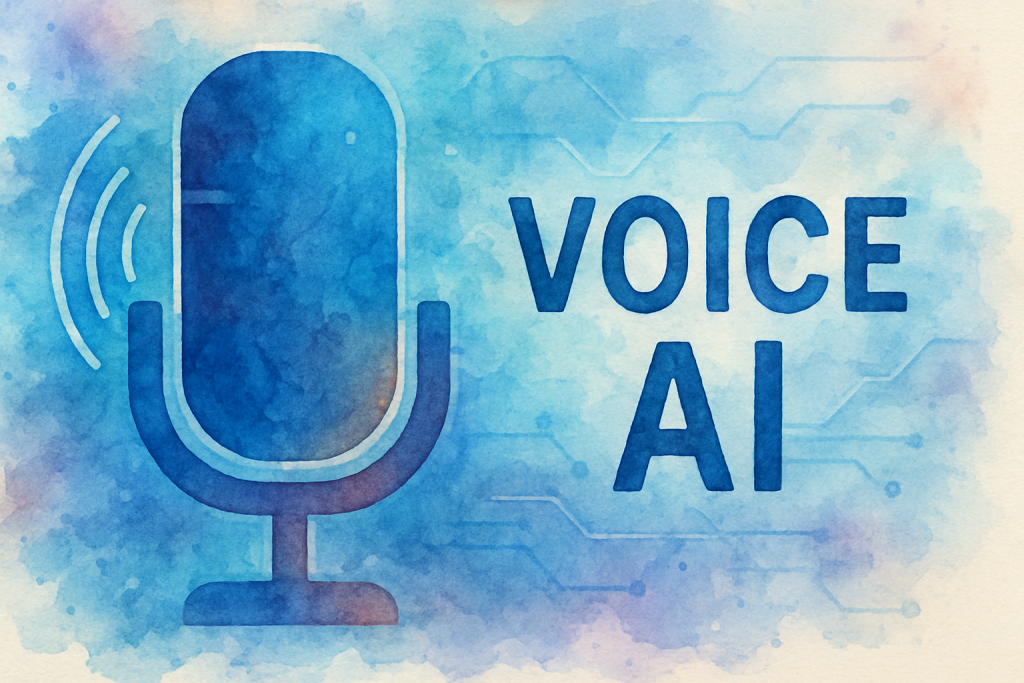
Voice AI, also known as voice artificial intelligence or conversational AI, refers to technology that enables machines to understand, process, and respond to human speech. Unlike simple voice recognition systems of the past, modern voice AI combines multiple advanced technologies including natural language processing (NLP), machine learning, and deep neural networks to create truly intelligent voice interactions.
What Makes Voice AI Different from Traditional Voice Recognition
Traditional voice recognition simply converts speech to text. Voice AI goes several steps further by understanding context, intent, and nuance. It can distinguish between “I need to book a flight” and “I need to read a book about flights,” responding appropriately to each request.
The technology analyzes speech patterns, learns from interactions, and continuously improves its accuracy.
Modern voice AI systems achieve accuracy rates exceeding 95% in optimal conditions, making them reliable tools for professional environments. According to Stanford’s AI Index Report, speech recognition accuracy now exceeds 95% in optimal conditions, with leading commercial systems consistently reaching 95% accuracy.
The Explosive Growth of Voice AI Adoption
The voice AI market is experiencing unprecedented growth. According to recent industry reports, the global conversational AI market is projected to reach $49.9 billion by 2030, growing at a compound annual growth rate of 24.9%.
This explosive expansion is driven by several factors:
- Remote work normalization requiring better communication tools
- Increased smartphone and smart speaker penetration
- Advances in natural language understanding capabilities
- Growing demand for hands-free, multitasking-friendly interfaces
- Cost reductions making the technology accessible to businesses of all sizes
Key Industries Transformed by Voice AI
Voice AI technology is reshaping multiple sectors. Healthcare providers use medical transcription AI to document patient encounters in real-time. Customer service departments deploy intelligent voice assistants that handle thousands of inquiries simultaneously. Sales teams leverage voice AI for automatic call summarization and CRM updates.
The legal industry has embraced voice-to-text technology for depositions and case documentation. Content creators use AI voice generators for podcast production and video narration. Even manufacturing facilities implement voice-controlled systems for hands-free equipment operation and quality control reporting.
10 Revolutionary Voice AI Tools Transforming Productivity
Let’s explore the most powerful voice AI tools available in 2026, each designed to address specific productivity challenges and streamline your workflow.
“`html
1. Otter.ai
Otter.ai has evolved into the gold standard for meeting transcription and collaboration. This voice AI platform automatically joins your video conferences, transcribes conversations in real-time, and identifies different speakers with remarkable accuracy.
What sets Otter apart is its AI-generated meeting summaries, action item extraction, and searchable transcript database. Teams can review key discussion points in minutes rather than re-watching hour-long recordings. The platform integrates seamlessly with Zoom, Microsoft Teams, and Google Meet.
2. Fireflies.ai
Fireflies.ai functions as a virtual team member that never misses a detail. This voice AI tool records, transcribes, and analyzes voice conversations across multiple platforms. Its standout feature is the ability to automatically log meeting notes directly into your CRM, project management tools, or collaboration platforms.
The AI assistant can answer questions about past meetings, such as “What did Sarah say about the Q4 budget?” or “When did we discuss the product launch timeline?” This conversational search capability transforms how teams access institutional knowledge.
3. Descript
Descript revolutionizes audio and video editing by treating media files like text documents. This voice AI platform transcribes your recordings, then allows you to edit the content by simply deleting or rearranging words in the transcript. The audio automatically adjusts to match your edits.
The Overdub feature uses AI voice cloning to generate natural-sounding speech in your own voice, perfect for correcting mistakes or adding new content without re-recording. Podcasters, video creators, and marketing teams save countless hours with this innovative approach.
4. Krisp
Krisp uses voice AI to eliminate background noise from both sides of your calls. Whether you’re working from a busy coffee shop or your kids are playing in the next room, Krisp ensures crystal-clear communication by removing unwanted sounds in real-time.
The technology works with any communication app and runs locally on your device, ensuring privacy. For remote teams, this tool has become essential for maintaining professional audio quality regardless of location.
5. Speechify
Speechify converts written content into natural-sounding audio using advanced voice AI technology. This tool helps busy professionals consume articles, documents, and emails while commuting, exercising, or performing other tasks.
The platform offers multiple AI-generated voices with adjustable speeds and supports over 30 languages. Users report improved comprehension and the ability to process information significantly faster than traditional reading.
6. Voiceflow
Voiceflow empowers businesses to create custom voice AI assistants without extensive coding knowledge. The visual interface allows teams to design conversational flows, integrate with existing systems, and deploy voice applications across multiple platforms.
Companies use Voiceflow to build internal productivity tools, customer service bots, and voice-enabled workflows that automate repetitive tasks.
7. Rev.ai
Rev.ai provides developers and businesses with powerful speech-to-text APIs that deliver high accuracy across various accents, industries, and audio conditions. This voice AI service excels at handling technical terminology and domain-specific vocabulary.
The platform supports both real-time streaming transcription and asynchronous processing, making it suitable for live captioning, analytics, and large-scale media processing.
8. Murf.ai
Murf.ai specializes in creating studio-quality voiceovers using artificial intelligence. The platform offers over 120 AI voices in 20+ languages with fine-grained control over pitch, speed, and emphasis.
Marketing teams, e-learning developers, and content creators rely on Murf to produce professional narration without hiring voice actors.
9. AssemblyAI
AssemblyAI goes beyond basic transcription by offering advanced audio intelligence features. The voice AI platform can detect sentiment, identify topics, recognize entities, and flag sensitive content within audio files.
Its API-first design makes it easy for developers to integrate sophisticated voice intelligence into existing applications.
10. Sonix
Sonix combines fast, accurate transcription with automated translation into over 40 languages. This voice AI platform is especially valuable for global teams and multilingual content production.
Automated subtitle generation and advanced search capabilities allow users to locate specific moments within hours of audio or video content in seconds.
“`
Implementing Voice AI: A Strategic Approach for Maximum Impact
Successfully integrating voice AI tools into your workflow requires thoughtful planning and execution. Follow this strategic framework to maximize your return on investment and ensure smooth adoption.
Step 1: Identify Your Productivity Pain Points
Begin by conducting a thorough audit of your current workflows. Where do you and your team spend the most time on repetitive tasks? Common candidates include meeting documentation, content creation, data entry, and communication management.
Survey team members about their biggest time-wasters. You might discover that sales representatives spend hours updating CRM systems, or that project managers lose valuable time summarizing status meetings. These insights will guide your voice AI tool selection.
Step 2: Match Tools to Specific Use Cases
Resist the temptation to adopt every available voice AI tool. Instead, select solutions that directly address your identified pain points. If meeting documentation is your primary challenge, focus on tools like Otter.ai or Fireflies.ai rather than voice generation platforms.
Create a prioritized list of use cases and evaluate tools based on their ability to solve those specific problems. Consider factors like integration capabilities, accuracy requirements, language support, and pricing models.
Step 3: Start with a Pilot Program
Launch your voice AI implementation with a small pilot group before rolling out organization-wide. Select enthusiastic early adopters who can provide valuable feedback and become internal champions.
Run the pilot for 30-60 days, collecting both quantitative metrics (time saved, tasks completed) and qualitative feedback (user satisfaction, ease of use). Use this data to refine your implementation strategy and address concerns before broader deployment.
Step 4: Provide Comprehensive Training and Support
Even intuitive voice AI tools require proper training for optimal use. Develop training materials that cover basic functionality, advanced features, and best practices specific to your organization’s workflows.
Offer multiple training formats including live sessions, video tutorials, and written documentation. Designate power users who can provide peer support and answer questions as they arise. Remember that adoption rates increase significantly when users feel confident and supported.
Step 5: Establish Clear Guidelines and Protocols
Create organizational standards for voice AI usage. Define which types of meetings should be recorded and transcribed, how sensitive information should be handled, and where transcripts should be stored.
Address privacy concerns proactively by establishing clear policies about consent, data retention, and access controls. Ensure compliance with relevant regulations like GDPR or HIPAA if applicable to your industry.
Step 6: Measure Results and Iterate
Establish key performance indicators to track the impact of your voice AI implementation. Relevant metrics might include time saved per week, meeting follow-up completion rates, content production volume, or employee satisfaction scores.
Review these metrics regularly and gather ongoing feedback from users. Voice AI technology evolves rapidly, so stay informed about new features and capabilities that could further enhance your productivity gains.
Overcoming Common Voice AI Implementation Challenges
While voice AI offers tremendous benefits, organizations often encounter obstacles during implementation. Understanding these challenges and their solutions will help you navigate the adoption process successfully.
Challenge 1: Accuracy Concerns with Accents and Technical Terminology
Many users worry that voice AI won’t accurately transcribe speakers with strong accents or understand industry-specific jargon. While early voice recognition systems struggled with these issues, modern voice AI has made significant improvements.
Solution: Choose platforms that offer custom vocabulary training and speaker adaptation. Tools like Rev.ai and AssemblyAI allow you to upload glossaries of technical terms and proper nouns specific to your industry. Most voice AI systems also improve accuracy over time as they learn from corrections and usage patterns.
Challenge 2: Privacy and Security Concerns
Recording and transcribing conversations raises legitimate privacy questions. Employees may feel uncomfortable having their words documented, and organizations must protect sensitive information from unauthorized access.
Solution: Implement clear consent protocols requiring notification before recording begins. Select voice AI providers with robust security certifications and data encryption. Consider on-premise or private cloud deployment options for highly sensitive environments. Establish retention policies that automatically delete recordings after a specified period.
Challenge 3: Integration with Existing Systems
Voice AI tools deliver maximum value when they connect seamlessly with your existing technology stack. However, integration challenges can limit functionality and create frustrating workflow gaps.
Solution: Prioritize voice AI platforms with extensive integration libraries and open APIs. Tools like Fireflies.ai and Otter.ai offer native integrations with popular CRM, project management, and communication platforms. For custom integrations, consider working with implementation partners who specialize in voice AI deployments.
Challenge 4: User Adoption and Change Resistance
Some team members may resist adopting voice AI tools due to comfort with existing processes, skepticism about AI capabilities, or fear of job displacement.
Solution: Focus on how voice AI augments rather than replaces human capabilities. Share concrete examples of time savings and productivity improvements from pilot programs. Involve skeptics in the evaluation process to address their concerns directly. Celebrate early wins and recognize team members who effectively leverage the technology.
Challenge 5: Cost Justification and ROI Measurement
Leadership may question whether voice AI investments deliver sufficient returns, especially when upfront costs seem significant.
Solution: Build a comprehensive business case that quantifies both direct savings (reduced transcription costs, fewer administrative hours) and indirect benefits (faster decision-making, improved knowledge retention). Track baseline metrics before implementation so you can demonstrate measurable improvements. Many voice AI tools offer free trials or freemium tiers that allow you to prove value before committing to paid plans.
The Future of Voice AI and Productivity
As we look beyond 2026, voice AI technology continues to evolve at a remarkable pace. Emerging capabilities promise even greater productivity enhancements and new applications we’re only beginning to imagine.
Multimodal AI systems that combine voice, vision, and text understanding will enable more sophisticated interactions. Imagine voice AI assistants that can see your screen, understand your documents, and provide contextual assistance based on what you’re working on.
Emotional intelligence in voice AI is advancing rapidly. Future systems will detect stress, confusion, or frustration in your voice and adapt their responses accordingly. This capability will transform customer service, mental health support, and team collaboration.
Real-time language translation powered by voice AI will eliminate language barriers in global business. Teams will conduct meetings where each participant speaks their native language while everyone understands each other perfectly through AI-powered interpretation.
Conclusion: Embrace Voice AI to Transform Your Productivity
Voice AI represents one of the most significant productivity innovations of our time. The 10 tools we’ve explored—from meeting transcription platforms like Otter.ai and Fireflies.ai to content creation solutions like Descript and Murf.ai—offer practical ways to reclaim hours of your day and focus on high-value work.
The key to success lies in strategic implementation. Start by identifying your specific productivity challenges, select voice AI tools that address those needs, and roll out adoption thoughtfully with proper training and support. Monitor your results, iterate based on feedback, and stay informed about emerging capabilities.
Organizations that embrace voice AI technology now will gain significant competitive advantages. They’ll move faster, communicate more effectively, and empower their teams to focus on creative and strategic work rather than administrative drudgery.
The voice AI revolution isn’t coming—it’s already here. The question is whether you’ll lead the transformation or struggle to catch up.
Ready to harness the power of voice AI for your organization? The experts at The Crunch can help you evaluate, implement, and optimize voice AI solutions tailored to your specific needs. Schedule your free consultation today and discover how voice AI can transform your productivity in 2026 and beyond.
Frequently Asked Questions (FAQ)
1. What is voice AI?
2. How does voice AI work?
3. What are the main benefits of using voice AI?
4. How do I get started with voice AI?
5. How does voice AI compare to traditional speech recognition?
6. Is voice AI secure and private?
7. What are common uses for voice AI?
8. How much does voice AI cost?
9. Can I integrate voice AI into my own app or website?
10. What are the limitations of voice AI?
11. Do I need special hardware for voice AI?
12. What are some concerns about voice AI adoption?