Imagine contacting customer support at 3 AM with an urgent issue, only to receive an instant, accurate response that solves your problem in minutes. This isn’t science fiction—it’s the reality that an AI chatbot assistant delivers to millions of customers worldwide every single day. As businesses grapple with rising customer expectations and the need for round-the-clock support, traditional customer service models are buckling under pressure.
The customer service landscape has fundamentally shifted. Today’s consumers demand immediate responses, personalised interactions, and seamless experiences across multiple channels. Companies that fail to meet these expectations risk losing customers to competitors who embrace intelligent automation. This is where AI chatbot assistants step in, revolutionising how businesses interact with their customers whilst dramatically reducing operational costs.
Quick Answers
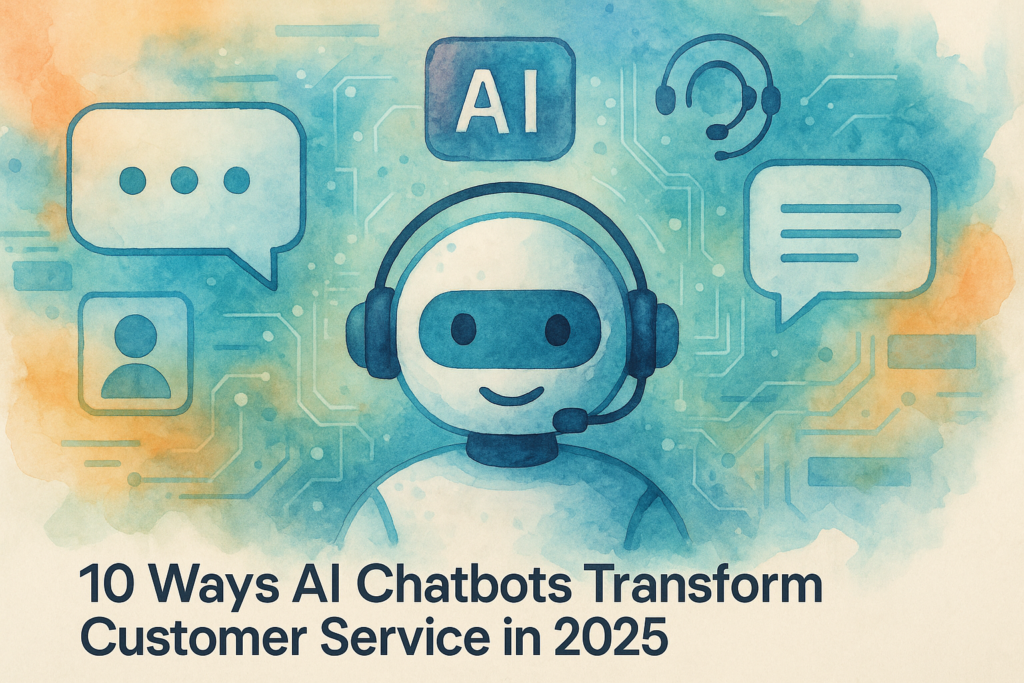
What is an AI chatbot assistant? An AI chatbot assistant is an intelligent software application that uses artificial intelligence, natural language processing, and machine learning to simulate human-like conversations and provide automated customer support.
How do AI chatbots improve customer service? They provide 24/7 availability, instant responses, handle multiple queries simultaneously, reduce wait times, personalise interactions, and free human agents to focus on complex issues.
Are AI chatbots expensive to implement? Initial costs vary, but most businesses see significant ROI within 6-12 months through reduced staffing costs, increased efficiency, and improved customer satisfaction.
In this comprehensive guide, we’ll explore ten transformative ways AI chatbot assistants are reshaping customer service in 2026, providing you with actionable insights to leverage this technology for your business success.
Understanding AI Chatbot Assistants in Modern Customer Service
An AI chatbot assistant represents a sophisticated convergence of artificial intelligence technologies designed to understand, process, and respond to customer queries with human-like accuracy. Unlike their rule-based predecessors, modern AI chatbots leverage natural language processing (NLP), machine learning algorithms, and contextual understanding to deliver genuinely helpful interactions.
The importance of AI chatbot assistants in today’s business environment cannot be overstated. According to research from Gartner, by 2025, customer service organisations that embed AI in their multichannel customer engagement platforms will elevate operational efficiency by 25%. This dramatic improvement stems from chatbots’ ability to handle routine enquiries, process transactions, and provide instant information without human intervention.
The Evolution of Conversational AI
The journey from simple scripted chatbots to today’s intelligent assistants has been remarkable. Early chatbots followed rigid decision trees, frustrating users with their inability to understand context or nuance. Modern AI chatbot assistants, however, utilise advanced language models that comprehend intent, sentiment, and even cultural nuances.
These systems continuously learn from interactions, improving their responses over time. They can switch between topics seamlessly, remember previous conversations, and even detect when a customer needs escalation to a human agent. This evolution has transformed chatbots from novelty features into essential business tools.
Current Market Trends and Adoption Rates
The adoption of AI chatbot assistants has accelerated dramatically. IBM reports that businesses can reduce customer service costs by up to 30% by implementing conversational AI solutions. Furthermore, the global chatbot market is projected to reach $15.5 billion by 2028, growing at a compound annual growth rate of 23.3%.
Industries leading this transformation include retail, banking, healthcare, and telecommunications. These sectors have recognised that AI chatbot assistants not only reduce costs but also enhance customer satisfaction by providing immediate, accurate responses regardless of time or day.
10 Transformative Ways AI Chatbot Assistants Revolutionise Customer Service
1. 24/7 Availability and Instant Response Times
The most immediate benefit of an AI chatbot assistant is its tireless availability. Unlike human agents who require breaks, shifts, and holidays, chatbots operate continuously without degradation in performance. This round-the-clock availability addresses a critical pain point in customer service: customers expect support when they need it, not when it’s convenient for the business.
Research from Salesforce indicates that 64% of customers expect real-time assistance regardless of the channel they use. AI chatbot assistants meet this expectation by providing instant responses, eliminating wait times that traditionally frustrate customers and lead to abandoned enquiries.
2. Handling Multiple Conversations Simultaneously
Whilst a human agent typically handles one conversation at a time, an AI chatbot assistant can manage thousands of simultaneous interactions without compromising quality. This scalability proves invaluable during peak periods, product launches, or crisis situations when enquiry volumes spike dramatically.
This capability translates directly into cost savings and improved customer satisfaction. Businesses no longer need to overstaff to handle peak loads or leave customers waiting in lengthy queues during busy periods.
3. Personalised Customer Interactions at Scale
Modern AI chatbot assistants excel at personalisation by accessing customer data, purchase history, and previous interactions. They greet returning customers by name, reference past purchases, and make relevant recommendations based on individual preferences and behaviour patterns.
According to Accenture, 91% of consumers are more likely to shop with brands that provide relevant offers and recommendations. AI chatbot assistants deliver this personalisation automatically, creating tailored experiences for every customer without additional human effort.
4. Consistent and Accurate Information Delivery
Human agents, despite best efforts, sometimes provide inconsistent information due to training gaps, fatigue, or simple human error. An AI chatbot assistant eliminates this variability by drawing from a centralised knowledge base, ensuring every customer receives accurate, consistent information regardless of when or how they enquire.
This consistency proves particularly valuable for compliance-sensitive industries like finance and healthcare, where providing incorrect information can have serious consequences. Chatbots ensure regulatory compliance whilst maintaining detailed logs of all interactions for audit purposes.
5. Multilingual Support Without Additional Staffing
Expanding customer service to multiple languages traditionally requires hiring multilingual staff or outsourcing to different regions. AI chatbot assistants break down these barriers by offering instant translation and native-language support across dozens of languages simultaneously.
Platforms like Google Dialogflow and IBM Watson Assistant support over 20 languages, enabling businesses to serve global customers without proportionally increasing costs. This capability opens new markets and improves satisfaction among non-native speakers who previously struggled with language barriers.
6. Intelligent Query Routing and Escalation
Not every customer issue requires human intervention, but knowing which ones do is crucial. Advanced AI chatbot assistants analyse query complexity, customer sentiment, and context to determine when escalation to a human agent is necessary. This intelligent routing ensures that human agents focus on high-value, complex interactions whilst chatbots handle routine matters.
When escalation occurs, the chatbot provides the human agent with complete conversation history and context, eliminating the frustration of customers repeating themselves. This seamless handoff improves resolution times and customer satisfaction.
7. Proactive Customer Engagement and Support
Rather than waiting for customers to reach out with problems, AI chatbot assistants can initiate proactive conversations based on user behaviour. If a customer abandons a shopping cart, struggles to complete a form, or spends excessive time on a help page, the chatbot can offer timely assistance before frustration sets in.
This proactive approach transforms customer service from reactive problem-solving to preventative support. Zendesk research shows that proactive customer service can increase customer satisfaction scores by up to 20% whilst reducing support tickets.
8. Data Collection and Customer Insights
Every interaction with an AI chatbot assistant generates valuable data about customer needs, pain points, and behaviour patterns. This information provides businesses with unprecedented insights into customer sentiment, common issues, and opportunities for improvement.
Advanced analytics platforms can identify trending topics, detect emerging problems before they escalate, and reveal gaps in products or services. This intelligence enables businesses to make data-driven decisions about product development, marketing strategies, and service improvements.
9. Seamless Integration Across Multiple Channels
Today’s customers interact with businesses across numerous touchpoints—websites, mobile apps, social media, messaging platforms, and more. AI chatbot assistants provide consistent experiences across all these channels, maintaining conversation context as customers switch between platforms.
Platforms like Intercom and Drift offer omnichannel capabilities that unify customer interactions regardless of where they occur. This seamless integration eliminates the frustration of disjointed experiences and ensures customers receive consistent support everywhere.
10. Continuous Learning and Improvement
Unlike static systems, AI chatbot assistants improve continuously through machine learning. They analyse successful and unsuccessful interactions, identify patterns, and refine their responses over time. This self-improvement capability means the chatbot becomes more effective with each conversation.
Businesses can also manually refine chatbot performance by reviewing conversation logs, identifying areas for improvement, and updating the knowledge base. This combination of automated learning and human oversight creates a constantly evolving system that adapts to changing customer needs.
Implementing an AI Chatbot Assistant: A Practical Guide
Successfully deploying an AI chatbot assistant requires careful planning and execution. Follow these steps to ensure your implementation delivers maximum value:
Step 1: Define Clear Objectives and Use Cases
Begin by identifying specific problems you want the AI chatbot assistant to solve. Are you looking to reduce response times, handle overflow during peak periods, or provide after-hours support? Clear objectives guide platform selection, design decisions, and success metrics.
Document the most common customer enquiries and transactions that the chatbot should handle. Start with high-volume, low-complexity interactions that deliver quick wins whilst building towards more sophisticated capabilities.
Step 2: Choose the Right Platform and Technology
Select a chatbot platform that aligns with your technical capabilities, budget, and requirements. Options range from no-code platforms like Chatfuel for simple implementations to sophisticated frameworks like Rasa for custom, enterprise-grade solutions.
Consider factors including integration capabilities with existing systems, language support, scalability, analytics features, and ongoing costs. Many platforms offer free trials—test several options before committing to ensure the best fit.
Step 3: Design Conversational Flows and Personality
Create conversation flows that feel natural and guide customers efficiently towards resolution. Map out various paths customers might take, including happy paths and edge cases. Your AI chatbot assistant should have a distinct personality that aligns with your brand voice—whether professional, friendly, or playful.
Write responses in clear, concise language that customers easily understand. Avoid jargon and overly technical terms unless your audience expects them. Include appropriate empathy and acknowledgement in responses to create human-like interactions.
Step 4: Build a Comprehensive Knowledge Base
Your AI chatbot assistant is only as good as the information it can access. Compile a thorough knowledge base covering products, services, policies, and common issues. Organise this information logically and ensure it remains current through regular updates.
Include FAQs, troubleshooting guides, product specifications, and policy documents. Structure content in a way that the chatbot can easily retrieve and present relevant information based on customer queries.
Step 5: Test Thoroughly Before Launch
Conduct extensive testing with diverse scenarios and user types before releasing your chatbot to customers. Involve team members from different departments to test various use cases and identify gaps in knowledge or conversation flows.
Pay particular attention to edge cases, misunderstandings, and escalation triggers. Ensure the chatbot gracefully handles queries it cannot answer and smoothly transfers to human agents when necessary.
Step 6: Launch Gradually and Monitor Performance
Rather than a full-scale launch, consider a phased rollout starting with a subset of users or specific use cases. This approach allows you to identify and address issues before they affect your entire customer base.
Monitor key metrics including resolution rate, customer satisfaction scores, escalation frequency, and conversation completion rates. Use these insights to refine and improve the chatbot continuously.
Step 7: Maintain and Optimise Continuously
Implementation isn’t the end—it’s the beginning of an ongoing optimisation process. Regularly review conversation logs to identify common failure points, misunderstandings, or new topics that require coverage. Update the knowledge base as products, services, and policies evolve.
Gather customer feedback specifically about the chatbot experience and act on suggestions for improvement. The most successful AI chatbot assistants evolve continuously based on real-world usage and customer needs.
Overcoming Common Challenges with AI Chatbot Assistants
Whilst AI chatbot assistants offer tremendous benefits, implementation isn’t without challenges. Understanding these obstacles and their solutions ensures smoother deployment and better outcomes.
Challenge 1: Managing Customer Expectations
Customers sometimes expect chatbots to handle any query with human-level understanding, leading to frustration when limitations become apparent. The solution lies in transparency—clearly identify the chatbot as an AI assistant and set realistic expectations about its capabilities.
Provide easy access to human agents when needed and ensure the AI chatbot assistant acknowledges its limitations gracefully. Phrases like “I’m not quite sure about that, but I can connect you with someone who can help” maintain trust whilst managing expectations.
Challenge 2: Handling Complex or Emotional Situations
AI chatbot assistants excel at routine queries but may struggle with complex, nuanced situations or highly emotional customers. Implement robust sentiment analysis to detect frustration, anger, or distress, triggering immediate escalation to human agents trained in de-escalation techniques.
Design conversation flows that recognise complexity indicators—multiple questions, contradictory information, or repeated clarification requests—and proactively offer human assistance before frustration escalates.
Challenge 3: Integration with Legacy Systems
Many businesses operate on legacy systems that weren’t designed for modern API integrations. Work with IT teams to identify integration points and consider middleware solutions that bridge old and new technologies. Platforms like Zapier or MuleSoft can facilitate connections between disparate systems.
If direct integration proves impossible, design workflows where the chatbot collects information and creates tickets or tasks in legacy systems, maintaining efficiency even without seamless integration.
Challenge 4: Maintaining Data Privacy and Security
AI chatbot assistants handle sensitive customer information, making security paramount. Implement robust encryption for data in transit and at rest, ensure compliance with regulations like GDPR and CCPA, and conduct regular security audits.
Be transparent about data collection and usage, provide clear privacy policies, and give customers control over their information. Choose chatbot platforms with strong security credentials and compliance certifications relevant to your industry.
Challenge 5: Keeping Content Fresh and Accurate
Outdated information damages credibility and customer trust. Establish clear ownership and processes for knowledge base maintenance. Assign team members responsibility for specific content areas and implement regular review cycles.
Create alerts when products, policies, or services change, triggering immediate knowledge base updates. Consider implementing version control and approval workflows to ensure accuracy before information goes live.
Challenge 6: Measuring ROI and Demonstrating Value
Quantifying the return on investment for an AI chatbot assistant requires tracking multiple metrics beyond simple cost savings. Monitor customer satisfaction scores, resolution rates, average handling time, escalation rates, and conversion rates for sales-focused chatbots.
Calculate cost per interaction compared to human-handled queries, factor in increased capacity during peak periods, and measure the value of 24/7 availability. Present these metrics regularly to stakeholders, demonstrating ongoing value and justifying continued investment.
The Future of AI Chatbot Assistants in Customer Service
The transformation we’ve witnessed is merely the beginning. As artificial intelligence continues advancing, AI chatbot assistants will become even more sophisticated, intuitive, and valuable. Emerging technologies like emotional AI will enable chatbots to detect and respond appropriately to customer emotions, whilst advanced personalisation will create truly individualised experiences.
Integration with voice assistants, augmented reality, and Internet of Things devices will expand chatbot capabilities beyond text-based interactions. Imagine an AI chatbot assistant that can visually guide you through product setup using your smartphone camera or proactively alert you to issues with connected devices before you notice problems.
The businesses that thrive in this evolving landscape will be those that embrace AI chatbot assistants not as replacements for human agents but as powerful tools that augment human capabilities. The most effective customer service strategies combine the efficiency and scalability of AI with the empathy, creativity, and complex problem-solving abilities that only humans provide.
By implementing an AI chatbot assistant thoughtfully and strategically, your business can deliver exceptional customer experiences whilst reducing costs, improving efficiency, and gaining valuable insights into customer needs and behaviours. The question isn’t whether to adopt this technology—it’s how quickly you can implement it to stay competitive in an increasingly automated world.
Ready to transform your customer service with an AI chatbot assistant? The team at The Crunch specialises in designing and implementing intelligent automation solutions tailored to your unique business needs. We’ll help you navigate platform selection, design engaging conversational experiences, and ensure seamless integration with your existing systems. Schedule your free consultation today and discover how AI chatbot assistants can revolutionise your customer service whilst delivering measurable ROI.
Frequently Asked Questions (FAQ)
1. What is an AI chatbot assistant?
2. How does an AI chatbot assistant work?
3. What are the main benefits of using an AI chatbot assistant?
4. How do I get started with an AI chatbot assistant?
5. How much does an AI chatbot assistant cost?
6. How does an AI chatbot assistant compare to a human assistant?
7. Can I integrate an AI chatbot assistant with my website or app?
8. Are AI chatbot assistants secure and private?
9. What are common limitations of AI chatbot assistants?
10. Can I train or customize my AI chatbot assistant?
11. Do I need technical skills to use an AI chatbot assistant?
12. What industries can benefit from AI chatbot assistants?